Annual Trash Production in the U.S.
Over 292 million tons of trash are produced annually.

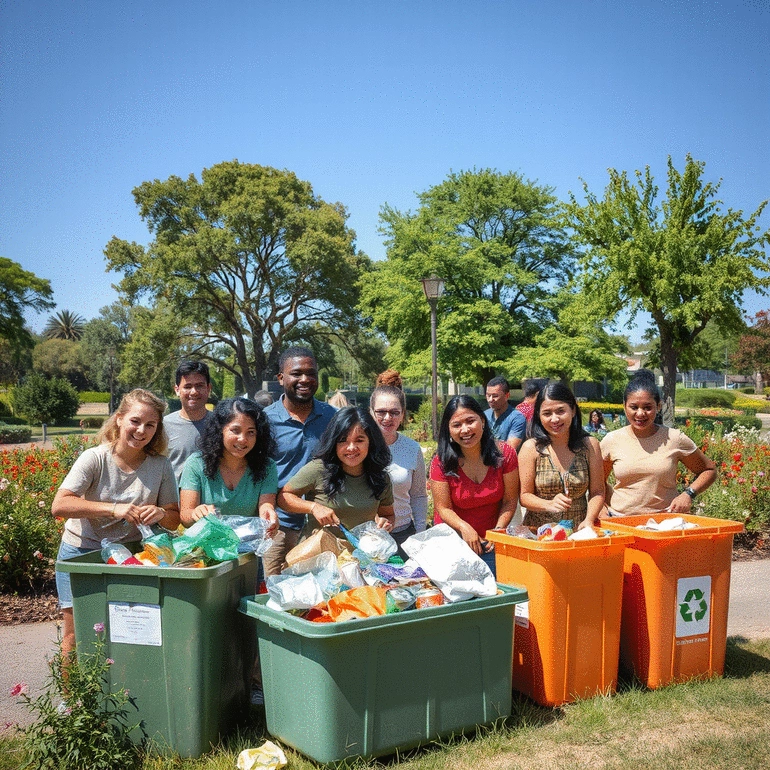
Did you know that in the U.S. alone, over 292 million tons of trash are produced every year? Understanding the impact of landfill waste on our communities is crucial, and every individual can play a role in creating sustainable solutions.
Understanding the volume of landfill waste generated annually and its implications highlights the importance of sustainable practices. Below are vital statistics that can guide our actions toward waste reduction.
Over 292 million tons of trash are produced annually.
Only about 35% of this waste is recycled or composted.
The average person generates approximately 4.9 pounds of waste each day.
Landfills release approximately 60 million tons of methane gas each year.
Over 40% of landfills are made up of organic waste that could have been composted.
Each year, landfills consume vast amounts of land—over 1,000 square miles in the U.S. alone!
Understanding the Impact of Landfill Waste on Your Community
Have you ever thought about how much rubbish gets thrown away in your neighborhood? It might surprise you to learn that landfills are overflowing with waste that could have been reused or recycled. At GreenRubbish Group, we believe it's crucial to understand the impact of landfill waste on our communities. When we take a closer look, we realize that each of us plays a role in this environmental challenge!
The current waste management landscape is a complex web of practices and policies. Unfortunately, many communities are still relying heavily on traditional landfill methods. This not only affects the environment but also reflects on our community's sustainability efforts. By analyzing these practices, we can uncover opportunities for improvement and better waste management strategies. If you're looking for practical ways to reduce waste and improve disposal habits, check out our guide on effortless rubbish removal tips to make a positive impact in your daily life.
Understanding the current waste management practices in your area can help shine a light on what needs to change. You might be surprised by the amount of waste generated daily! In fact, here are some statistics that illustrate the severity of the issue:
These numbers are eye-opening and demonstrate just how much work we have ahead of us. By engaging in conversations about these statistics, we can inspire community members to rethink their waste disposal habits and consider more sustainable options.
Landfills have become a significant concern as they contribute to pollution and habitat destruction. The statistics speak for themselves! It's estimated that:
These figures highlight the need for immediate action. Every piece of waste we divert from landfills makes a difference, and it's a responsibility we all share.
So, what happens when waste ends up in landfills? The consequences can be dire! Landfills can leach toxic substances into the soil and groundwater, impacting nearby ecosystems and communities. Here are some environmental impacts:
As a community, it's important to be aware of these consequences and work together to combat them. By making more sustainable choices, we can protect our environment for future generations.
Now that we understand the impact of landfill waste, let's explore some effective strategies to reduce it! At GreenRubbish Group, we encourage everyone to embrace eco-friendly practices that not only declutter your home but also help the planet. Together, we can create a cleaner and greener community!
By implementing simple changes in our daily lives, we can all contribute to less waste ending up in landfills. So, what can you do? Below are some practical strategies that anyone can start today:
These strategies can make a significant difference in reducing landfill waste in your community. Let’s dive deeper into each strategy to see how you can take action!
Here's a brief recap of the key points discussed so far:
The U.S. produces over 292 million tons of trash annually.
Only about 35% of the waste generated in the U.S. is recycled or composted.
Over 40% of landfill waste consists of organic materials that could have been composted.
Landfills can leach toxic substances into soil and groundwater, contaminate water sources, cause soil degradation, and contribute to air pollution and climate change through methane emissions.
The 3Rs stand for Reduce, Reuse, and Recycle. They are practical strategies for minimizing waste by decreasing consumption, finding new uses for items, and processing materials into new products, thereby diverting waste from landfills.
Innovative technologies like AI-powered sorting systems, smart waste bins, and waste-to-energy facilities can streamline waste diversion efforts, improve recycling rates, optimize collection schedules, and generate renewable energy.
Communities can get involved by organizing local cleanup events, sharing resources like waste audit templates and recycling guides, participating in community gardens, shopping at farmers' markets, and fostering transparency around waste management progress.
As we look to the future, it's essential to embrace new technologies that can transform how we manage waste. Innovations in waste management are emerging rapidly, offering exciting possibilities for improving our recycling processes and reducing landfill waste. By tapping into these trends, we can further our mission at GreenRubbish Group to create sustainable solutions that benefit our communities and our planet!
One significant area of advancement is the integration of technology into waste sorting and management. These new tools not only help streamline processes but can also enhance our overall effectiveness in waste diversion. For example, automated sorting systems can quickly categorize recyclables, ensuring a higher percentage of materials are reused instead of sent to landfills.
Have you ever wondered how technology can make waste management more efficient? With the right tools, we can revolutionize how we handle rubbish. Below are some cutting-edge technologies making a difference:
Embracing these innovations can significantly impact our efforts to limit landfill waste. It’s about harnessing technology to enhance our commitment to sustainability, ensuring that we pave the way for a greener future.
Artificial Intelligence (AI) has entered the waste management field, and it’s making waves! AI can analyze waste patterns and optimize recycling systems to divert more waste from landfills. Imagine a world where your recycling efforts are supported by technology that predicts what materials are most likely to end up in the wrong bin. That's the power of AI!
Moreover, mobile applications are making it easier than ever to engage with waste reduction initiatives. These apps provide guidance on local recycling rules, offer tips on minimizing waste, and even track individual contributions toward community goals. By leveraging technology, we can empower ourselves and our neighbors to take meaningful action!
Another innovative approach in waste management is the development of waste-to-energy facilities. These plants convert organic waste into clean energy, helping reduce the reliance on fossil fuels. This process not only diverts waste from landfills but also produces power that can be used to benefit our communities.
Here are some key benefits of waste-to-energy facilities:
By supporting such innovations, we can align our waste management practices with a commitment to sustainability, helping to create a cleaner, greener future!
Now that we’ve explored some innovative solutions, it’s time to get practical! Each of us can play a vital role in reducing landfill waste by taking concrete steps in our everyday lives. At GreenRubbish Group, we believe in empowering individuals and communities to make a difference, and it starts with creating a personal action plan.
Creating an action plan involves assessing your current waste habits and identifying areas for improvement. In just a few simple steps, you can begin your journey toward waste reduction:
To develop a personalized plan, consider the following guidelines:
By taking these steps, you can transform your approach to waste management and inspire others to do the same.
When we come together as a community, our impact multiplies! Tracking waste reduction progress can foster engagement and accountability. Here are some ideas to help your community stay informed:
By creating a culture of transparency around waste management, we can inspire everyone to participate in reducing landfill waste.
Engaging your community in waste reduction initiatives is essential for fostering a collective commitment to sustainability. Let’s look at some effective ways to encourage involvement!
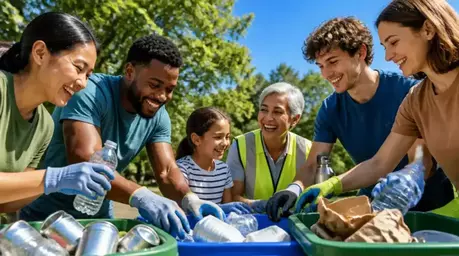
Cleanup events are an excellent way to bring people together while improving your local environment. Here’s how to organize one:
These events can create a sense of camaraderie while empowering participants to take action for a cleaner community!
Providing accessible resources can make a huge difference in encouraging others to engage in waste reduction. Consider sharing:
By equipping your community with knowledge and resources, you can foster a culture of sustainability!
Getting involved in community gardens and farmers' markets can also promote sustainable practices. These initiatives not only boost local food production but also encourage composting and collaboration among neighbors! Here are a few ways to participate:
By engaging with these initiatives, we can collectively work toward waste reduction while building stronger community ties!
As we conclude, let’s reflect on the power of collective action in waste management. Each small step counts, and together, we can make a significant impact on reducing landfill waste. Our journey toward sustainability is just beginning, and the future looks promising!
By embracing innovations, creating personal action plans, and engaging our communities, we can inspire change. So, are you ready to take action? Let’s start this journey towards a zero-waste community today!
Remember, the more we collaborate, the more substantial our impact! Collective efforts in waste management can lead to systemic changes that benefit everyone. When we work together, we can create a brighter, greener future for our communities and the planet.
Now is the time to act! I invite you to take the first step in your waste reduction journey. Whether it's adopting the 3Rs or encouraging your neighbors to join you in cleanup efforts, every action matters. Let's work together to create a cleaner planet!
Lastly, let’s embrace the concept of the circular economy, which emphasizes minimizing waste and maximizing resources. By understanding and applying these principles, we can shift our mindset to one of sustainability, paving the way for a healthier environment for generations to come. Together, we can make a difference!
Here is a quick recap of the important points discussed in the article: