What if every piece of waste you throw away could be transformed into something useful? Understanding the impact of responsible rubbish disposal empowers us to make informed choices that benefit our planet. Join the movement toward sustainability and discover how your actions can lead to a healthier Earth.
Understanding the actions that contribute to responsible rubbish disposal is crucial for sustainable waste management. Below are essential practices illustrated in a visually appealing layout.
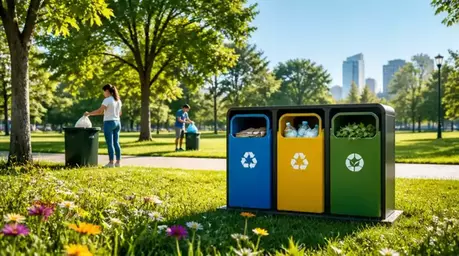
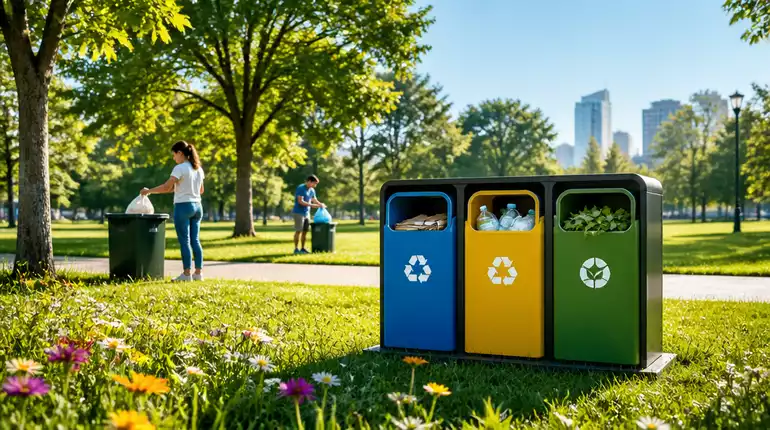
Separating recyclables from general waste is essential for effective recycling.
Gifting usable items to charities or communities in need helps reduce waste.
Turning food scraps and yard waste into nutrient-rich soil minimizes organic waste.
Ensuring hazardous waste is handled safely protects the environment.
Have you ever thought about what happens to your rubbish once it's out of sight? Responsible rubbish disposal is essential for keeping our planet healthy. It's not just about throwing stuff away; it's about making choices that benefit the environment. At GreenRubbish Group, we believe that every piece of waste has the potential to be reused, recycled, or responsibly discarded, and understanding how we can do this is crucial. For more practical advice, explore these effortless rubbish removal tips.
So, what exactly is responsible rubbish disposal? It's the practice of managing waste in a way that minimizes harm to the environment. This means not just tossing everything into a landfill. Instead, it involves recycling, composting, and ensuring that hazardous materials are dealt with correctly. It's a commitment to sustainability that should guide all our disposal choices.
Responsible rubbish disposal includes a few key actions:
By incorporating these practices, we can significantly reduce the amount of waste that ends up in landfills. It's not just a good thing to do; it's a responsibility we all share!
Effective waste management plays a pivotal role in achieving sustainability goals. When we properly dispose of rubbish, we help protect natural resources and reduce pollution. At GreenRubbish Group, we prioritize working with local recycling centers to ensure that as much waste as possible is diverted from landfills. This creates a cycle of reuse and recycling that benefits our communities and the planet! Learn more about eco-friendly rubbish removal practices and how they contribute to a greener future.
Recycling and composting are the stars of responsible rubbish disposal. They are essential in conserving resources and supporting a healthier environment. When we recycle materials like paper, glass, and plastics, we help reduce the demand for new resources and decrease overall waste. Composting, on the other hand, allows us to turn organic waste into valuable soil amendments.
Recycling helps conserve valuable resources by:
By recycling, we can make a significant difference in the way we use and protect our planet's resources.
Composting is another powerful tool in responsible rubbish disposal. It allows us to:
By embracing composting, we not only reduce waste but also enrich our gardens and support local ecosystems. For more detailed insights, check out our guide on home composting made easy.
Did you know? Implementing a "Waste-Free Challenge" in your community can inspire others to adopt responsible rubbish disposal habits. Encourage participants to minimize waste for a week by avoiding single-use plastics and rethinking their consumption. Sharing experiences and tips can foster a sense of collective responsibility and drive positive change!
Implementing responsible rubbish disposal is easier than you might think! It starts with understanding what you can do in your daily life to minimize waste and ensure it is handled correctly. As part of my work with GreenRubbish Group, I often encourage people to take specific steps that not only benefit the environment but also foster a sense of community.
Creating a simple checklist can guide your efforts and make the process smoother. Let’s explore how to craft this checklist and what it should include!
When tackling rubbish disposal, it’s helpful to categorize your waste. Here are some common waste categories you might encounter:
After identifying the waste categories, the next step is to choose the right disposal services tailored to each type. For instance, e-waste should go to certified e-waste recycling centers, while green waste can often be composted or collected by local yard waste services. This way, you ensure that your rubbish is managed in a way that aligns with sustainability. Discover more about how to dispose of hazardous waste correctly to prevent environmental harm.
It's not just about individual action; community involvement is crucial! Understanding local compliance and regulations helps everyone play their part in responsible disposal. Here’s what you can do:
By adhering to waste disposal laws, not only do we protect our environment, but we also set an example for others. Community programs that support responsible disposal can provide resources, such as recycling drives and educational workshops, making it easier for everyone to get involved.
Creating a circular economy means reducing waste and reusing materials as much as possible. At GreenRubbish Group, we advocate for practices that encourage repair and reuse. Here’s how you can contribute:
Addressing contamination issues in recycling streams is also essential. Educating yourself and others about what can and cannot be recycled helps maintain cleaner recycling processes. Lastly, supporting green initiatives in urban planning can lead to more sustainable infrastructure and waste management solutions for our communities. Learn more about landfill diversion and community wellbeing to see the broader impact of responsible waste practices.
Taking practical steps toward responsible rubbish disposal is a powerful way to contribute to a healthier planet. Whether you’re creating a disposal checklist, engaging your community, or promoting a circular economy, every action counts! Let’s work together to cultivate a culture of sustainability for future generations.
At GreenRubbish Group, we believe that the journey toward environmental stewardship begins with each individual decision. Are you ready to join us in making a positive impact? Together, we can create a cleaner, greener world!
Here is a quick recap of the important points discussed in the article: