Reduced Greenhouse Gas Emissions
Less waste in landfills means lower emissions of harmful gases like methane, contributing to a healthier environment.

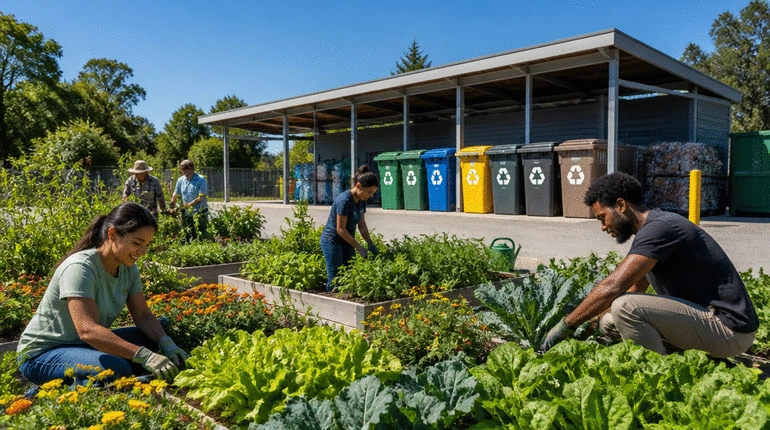
In a world where waste management is becoming increasingly critical, understanding the role of landfill diversion can be a game-changer for local communities. What if every piece of waste we throw away could have a second life? This is the transformative power of landfill diversion, and it starts with you!
Exploring the long-term advantages of landfill diversion for local ecosystems and community health.
Less waste in landfills means lower emissions of harmful gases like methane, contributing to a healthier environment.
Cleaner environments lead to fewer health risks associated with pollution, improving community well-being.
Recycling and composting reduce the need for raw materials, helping preserve our planet's resources.
Engagement in diversion programs fosters a sense of community responsibility and unity.
Have you ever wondered what happens to your trash after it's picked up? This brings us to the concept of landfill diversion, a crucial process aimed at reducing the amount of waste that ends up in landfills. At GreenRubbish Group, we believe that understanding landfill diversion is vital for creating a sustainable future for our communities. By keeping waste out of landfills, we can minimize the environmental impact associated with waste disposal and promote responsible waste management. For more insights on this topic, explore how we are reducing landfill waste together.
Landfill diversion refers to strategies and practices designed to steer waste away from landfills. By implementing recycling, composting, and donating unwanted items, we can effectively reduce the volume of waste sent to landfills. This process not only saves valuable land but also conserves natural resources, ultimately leading to a healthier planet.
Why is this important? When we divert waste, we lessen the burden on landfills, which are often limited and can contribute to harmful emissions. At GreenRubbish Group, we're committed to partnering with local charities and recycling centers to ensure as much waste as possible gets a second chance, rather than contributing to landfill overflow.
Numerous community programs focus on landfill diversion, each playing a key role in transforming waste management practices. Here are some common diversion programs:
These programs are important because they not only reduce waste but also foster a sense of community responsibility. By participating in these initiatives, we can all contribute to a cleaner, greener environment. At GreenRubbish Group, we're excited to see our clients engaging in these practices!
On the flip side, the reliance on landfills can lead to serious health and environmental issues. When communities depend heavily on landfills, they face several consequences, including:
These issues make it clear that we need to take landfill diversion seriously. By focusing on responsible waste management, we can protect both our health and our planet. It’s essential to work together as a community to promote initiatives that prioritize sustainable practices and reduce landfill dependency.
Did you know? One of the most effective ways to enhance landfill diversion in your community is by starting a neighborhood composting program. Not only does composting reduce organic waste, but it also enriches local soils, promoting healthier gardens and parks. Engage your neighbors in workshops to learn about composting techniques and share resources to kickstart this sustainable practice!
When we think about how to create vibrant and resilient communities, landfill diversion plays a pivotal role. By diverting waste from landfills, we not only reduce our environmental footprint but also enhance our local ecosystems. This sustainable approach fosters a healthier community, allowing us to live in harmony with the planet while promoting a culture of responsibility.
One of the most important benefits is the improvement in our shared environment. When waste is diverted, natural resources are preserved, and the burden on landfills is lessened. Communities that embrace landfill diversion can enjoy cleaner air and water, leading to a better quality of life for everyone. Imagine walking through your neighborhood, breathing fresh air, knowing the community is actively reducing its waste!
Landfill diversion strategies build resilience in communities. Not only do they mitigate environmental issues, but they also empower residents to take ownership of their waste practices. By adopting these methods, we can ensure a sustainable future for generations to come. Here are some key benefits of landfill diversion:
These benefits highlight why it's essential for communities to embrace landfill diversion as a core principle. Organizations like GreenRubbish Group work tirelessly to facilitate these changes, making it easier for residents to participate. Together, we can create a more sustainable living environment, reducing the burden on our planet.
As technology continues to evolve, it opens up exciting possibilities for waste management. Innovations such as AI waste sorting can significantly enhance the efficiency of recycling programs. Imagine a world where machines can accurately sort recyclables from trash—this is no longer just a dream! Here are some advancements that are transforming the waste diversion landscape:
Embracing these technologies not only boosts waste diversion rates but also positions communities at the forefront of sustainable practices. It's truly inspiring to see how innovation can lead to more effective solutions for waste management! For more information on enhancing your sustainability, consider these effortless rubbish removal tips.
Engaging local stakeholders is crucial in promoting landfill diversion. When communities come together, they can create meaningful change! By involving residents, businesses, and local organizations, we can build a robust support system for sustainable practices. At GreenRubbish Group, we believe that collaboration is key to success.
Many local programs are designed to engage residents in recycling and waste management efforts. These initiatives not only educate but also encourage participation in sustainability efforts. Here are a few examples of successful community programs:
These programs foster a sense of unity and purpose, as everyone works together toward a common goal—creating a cleaner community!
Education is a powerful tool in promoting sustainable practices. By informing residents about the importance of landfill diversion, we can inspire action! Community education initiatives can take many forms, including:
These efforts not only educate but also empower residents to make informed choices about waste disposal. The more we know, the more capable we are of making impactful decisions!
Many people have questions about landfill diversion and its effects on local communities. Let's address some common inquiries:
By addressing these questions, we help demystify landfill diversion and inspire more people to take action.
In conclusion, landfill diversion is not just a trend—it's a vital practice that can significantly enhance community health and sustainability. As residents, we all have a role to play in this movement. By participating in local initiatives and promoting eco-friendly practices, we can create lasting change!
I invite you to join us at GreenRubbish Group in our mission to foster eco-friendly habits in our communities. Whether it's volunteering for a local clean-up or simply making an effort to recycle more, every action counts. For instance, knowing how to recycle your electronics the right way can make a significant difference. Together, we can build a brighter, greener future!
Remember, landfill diversion leads to a cleaner environment, healthier communities, and a more sustainable future. Let's commit to making responsible waste management a priority, ensuring a better world for ourselves and future generations. Together, we can make a difference!
Here is a quick recap of the important points discussed in the article: