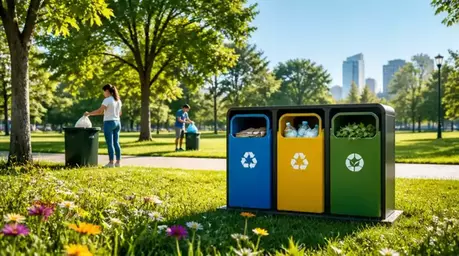
Landfill Diversion Rates
Measures the percentage of waste diverted from landfills through recycling and composting efforts.


Are you aware that offices can generate a staggering amount of waste that contributes significantly to environmental degradation? Understanding how to effectively reduce this waste is not just good for the planet—it's also beneficial for your business. Let's dive into some key insights on office waste reduction.
Understanding and tracking the right metrics is essential for successful waste management in offices. Here are some fundamental KPIs that can guide your efforts in reducing waste effectively. For more comprehensive strategies, consider exploring effortless rubbish removal tips that can further streamline your waste management processes.
Measures the percentage of waste diverted from landfills through recycling and composting efforts.
Indicates the percentage of total waste that is recycled, highlighting the effectiveness of recycling programs.
Calculates the financial benefits gained from reduced waste disposal expenses and resource conservation.
Measures the level of employee involvement in waste reduction initiatives and programs.
Have you ever taken a moment to think about the amount of waste generated in an office? From discarded paper to outdated electronics, the environmental impact of office waste is significant. As someone who's passionate about sustainable living, I often reflect on how our everyday choices—like how we dispose of our rubbish—can affect the planet.
Office waste refers to any material that is discarded from daily operations. This includes everything from plastic bottles and paper waste to old furniture and electronic devices. Each item has a journey, and unfortunately, many end up in landfills, where they can take years to decompose. The production of these items also consumes valuable resources and energy, contributing to pollution and climate change.
Understanding office waste is crucial for businesses striving to be more eco-friendly. Office waste can be broken down into several categories:
The environmental impact of these materials is profound. For instance, when paper is not recycled, it contributes to deforestation. Furthermore, hazardous waste can leach harmful substances into soil and water, posing health risks to wildlife and humans alike. By acknowledging the types of waste generated, companies can take steps to minimize their impact. For strategies on managing electronic waste, consider how to recycle your electronics the right way.
Reducing office waste is not just an environmental necessity; it can also lead to numerous benefits for businesses. Here are some key advantages:
As I've seen through my work at GreenRubbish Group, embracing waste reduction efforts can truly transform how a business operates. It not only shows a commitment to the planet but also creates a more inspiring workplace for everyone involved!
Did you know? Implementing a simple office recycling program can increase your recycling rates by up to 30% in just a few months! Encourage employees to participate by placing clearly labeled recycling bins in convenient locations throughout the office. This small change can lead to significant waste reduction and demonstrate your commitment to sustainability.
It's crucial to understand how to measure the success of our office waste reduction efforts. By identifying key performance indicators (KPIs), we can track progress, make adjustments, and celebrate victories! Knowing what to measure helps us see the impact of our initiatives and motivates us to strive for continuous improvement.
Some essential KPIs for effective waste management include landfill diversion rates, recycling rates, and cost savings from reduced waste expenses. These metrics not only provide insight into how well we're doing but also highlight areas where we can improve. For example, noticing a high landfill diversion rate might indicate our recycling program is working effectively!
Tracking landfill diversion rates is essential for understanding how much waste we’re keeping out of landfills. This not only benefits the environment but can also save the business money! Each item diverted means less waste to manage and potentially lower disposal costs.
By calculating the cost savings associated with reduced waste, we can see the financial benefits of our sustainability efforts. For instance, if GreenRubbish Group helps an office reduce their rubbish disposal costs by 20% through effective waste management, that’s a significant win! It shows that sustainability doesn’t just help the planet; it can also bolster our bottom line.
To ensure we're on track with our waste reduction goals, establishing a waste audit checklist can be a game changer! This checklist allows managers to regularly assess current practices and identify areas for improvement.
Setting realistic waste reduction goals can help keep our team focused and energized. For example, we might aim to reduce waste by a specific percentage over the next year! These targets give everyone something concrete to work toward.
Regularly monitoring progress against these goals is equally important. By taking the time to review our achievements, we can recognize successes and adjust strategies where needed. This not only keeps our team engaged but also reinforces the idea that each small step counts in making a big difference!
Let's look at some inspiring case studies of successful waste reduction initiatives in offices. These real-world examples can provide valuable insights and motivate us to enhance our own programs. Seeing how other organizations have thrived in their sustainability efforts can be incredibly encouraging!
For instance, a local tech company implemented a successful waste-to-energy solution that transformed their waste into energy rather than sending it to a landfill. This not only reduced their waste significantly but also provided a renewable energy source for their operations—talk about a win-win!
Many businesses, like the one I mentioned, have seen fantastic results by analyzing their waste reduction strategies. By understanding what worked and what didn’t, they were able to refine their approaches and achieve even greater success.
Looking at before-and-after benchmarks is a great way to illustrate the impact of our waste reduction efforts. It helps us visualize progress and motivates our team to keep pushing forward!
For example, an office that started out with a 10% recycling rate may have increased that to 50% after implementing a comprehensive recycling program. Such improvements not only benefit the environment but also create a sense of pride among employees!
Waste-to-energy solutions serve as an incredible example of how we can transform waste into a valuable resource. By converting non-recyclable waste into energy, we reduce the volume of waste while generating electricity. This innovative approach is an exciting area for many organizations looking to become more sustainable.
As an advocate for eco-friendly practices at GreenRubbish Group, I’m always thrilled to see companies explore these types of solutions. They not only help the environment but also show that waste can be viewed as a resource rather than just trash!
Implementing effective waste management strategies can sometimes feel overwhelming. Fortunately, there are plenty of resources and tools available to help! From downloadable audit templates to additional resources for continuous improvement, we can find valuable support. For more ideas on how to manage office waste effectively, consider exploring eco-friendly waste solutions for offices.
For example, I find that many organizations benefit from using audit templates designed specifically for offices. These resources help streamline the process and ensure all aspects of waste management are covered. Having a structured approach can make a big difference!
Creating and using an audit template is a smart step toward improved waste management. Here are some components to include:
Continuous improvement is key to maintaining and enhancing our waste reduction efforts. By utilizing additional resources, we can stay ahead of the curve and keep our initiatives fresh and engaging.
Joining sustainability networks or attending workshops can provide new insights and ideas. Sometimes, engaging with others in the field can spark innovative approaches that we might not have considered!
Embracing digital document management can significantly reduce paper waste in our offices. By shifting to digital platforms, we can enhance collaboration while minimizing our environmental footprint. This is a practical step toward achieving our sustainability goals!
Tools like cloud storage and project management software not only improve efficiency but also lessen our reliance on physical documents. By integrating these tools into our workflow, we can create a more sustainable office environment while boosting productivity.
For our waste reduction efforts to truly succeed, we need to foster a long-term commitment. Establishing a sustainable waste management policy lays the groundwork for ongoing success. This policy should reflect our values and goals, showing our dedication to sustainability!
Additionally, promoting ongoing engagement and education for employees is essential. Regular workshops, updates, and fun activities can keep everyone excited and involved in the mission. When everyone feels a part of the change, the impact is much greater!
Creating a solid waste management policy is more than just a document—it’s a commitment to our planet! It should outline our goals, strategies, and the importance of each employee's role.
By clearly communicating our dedication to waste reduction, we inspire others to join in the effort. A strong policy will also serve as a guideline for future initiatives, ensuring we stay on track!
Ongoing education is vital for cultivating a culture of sustainability. Organizing events, training sessions, and even friendly competitions can keep enthusiasm high. When employees understand the “why” behind these efforts, they’re more likely to participate wholeheartedly!
At GreenRubbish Group, we believe in the power of community and collaboration. Engaging employees in our waste reduction journey creates a strong sense of purpose and connection. Together, we can create a cleaner, greener future!
Supporting corporate social responsibility (CSR) initiatives and aiming for green certifications can elevate our waste reduction efforts. These recognitions not only enhance our brand’s reputation but also demonstrate our commitment to making a positive impact on the environment.
By showing that we care about sustainability, we can attract customers who share our values. It's a win-win situation—boosting our business while contributing to a better planet!
Here is a quick recap of the important points discussed in the article: