Home >

Eco-Friendly Waste Solutions for Offices

Eco-Friendly Waste Solutions for Offices

Eco-Friendly Waste Solutions for Offices
Lila Greenfield | 2026-06-18

Are you aware of the positive environmental impact that small changes in your office's waste management can achieve? By adopting sustainable practices, not only can your office reduce its ecological footprint, but you can also enhance team morale and foster a culture of responsibility. Let's explore the key takeaways to guide your journey toward sustainability.

What You Will Learn

  • Sustainable waste management involves reducing waste production, reusing materials, and recycling effectively to promote a greener office environment.
  • Implementing efficient waste management solutions can lower operational costs and enhance your company’s reputation among clients and partners.
  • Understanding the environmental impact of office waste encourages practices like recycling and composting, contributing to pollution reduction and resource conservation.
  • Deciding between DIY waste management and outsourced solutions requires careful consideration of costs, expertise, and sustainability commitment.
  • When evaluating waste management vendors, prioritize their experience, ability to customize services, and dedication to sustainability goals.
  • Leveraging local recycling programs can enhance your office's sustainability efforts and engage employees in community-focused initiatives.
  • Establishing clear waste management procedures and training employees is crucial for implementing sustainable practices in the workplace.

Comparative Analysis of In-House vs Outsourced Waste Management Solutions

This analysis highlights the benefits and drawbacks of managing waste in-house compared to outsourcing it to a vendor. Becoming more environmentally conscious is a great way to boost your business and implement effortless rubbish removal tips.

In-House Waste Management

  • Benefits:
    • Cost-effective in the short term
    • Increased employee engagement and morale
    • Full control over waste management practices
  • Drawbacks:
    • Time-intensive for staff
    • Lack of expertise may lead to inefficiencies
    • Potential for lower diversion rates

Outsourced Waste Management

  • Benefits:
    • Expert solutions ensuring compliance
    • Access to advanced recycling practices
    • Potentially higher waste diversion rates
  • Drawbacks:
    • Higher long-term costs
    • Less control over waste management
    • Dependency on vendor performance

Understanding Sustainable Waste Management for Small Offices

As a small office owner, have you ever wondered how your daily operations impact the environment? Understanding *sustainable waste management* can dramatically change not only your office's ecological footprint but also boost your team's morale. At GreenRubbish Group, we believe it’s vital for businesses to adopt eco-friendly practices that leave a positive mark on our planet.

Implementing sustainable waste management in an office setting means creating systems that prioritize waste reduction, recycling, and responsible disposal methods. This approach not only minimizes environmental harm but also promotes a culture of sustainability among employees. It’s about making conscious choices that reflect our commitment to a greener future!

Defining Sustainable Waste Management in Office Settings

Sustainable waste management refers to the strategies and practices that ensure waste is handled in an environmentally responsible manner. For small offices, this often involves setting clear goals to reduce waste production and increase recycling rates. Techniques can include limiting single-use products, implementing recycling programs, and ensuring proper disposal of hazardous materials.

In practical terms, it’s about establishing a waste hierarchy where the focus is on reducing waste first, then reusing items, and recycling what can’t be repurposed. The aim is to divert as much waste from landfills as possible, which is a core principle that drives our mission at GreenRubbish Group. This approach emphasizes the importance of reducing landfill waste together.

  • Emphasizing waste reduction at the source
  • Encouraging reuse of materials and supplies
  • Implementing effective recycling programs

The Importance of Waste Management Solutions for Small Offices

For small offices, efficient waste management solutions are critical. Not only do they help in reducing operational costs, but they also enhance your brand’s reputation as a responsible business. Clients and partners increasingly favor companies that show a commitment to sustainability, which can lead to increased customer loyalty.

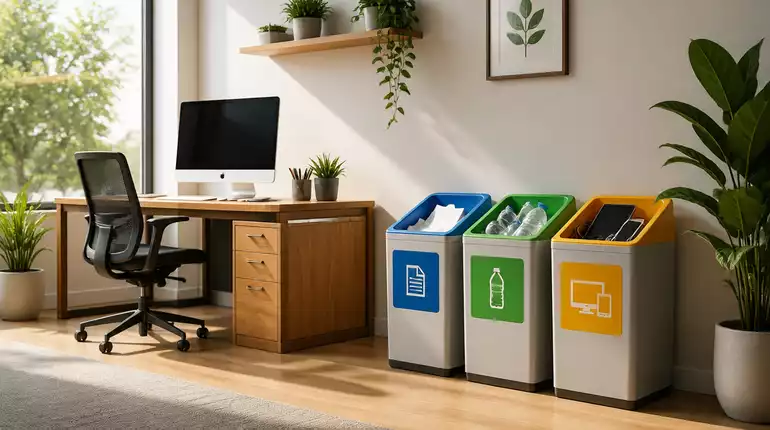
Moreover, effective waste management can lead to a more organized workspace. When your office implements clear waste separation guidelines, it reduces clutter and improves the overall work atmosphere. This can boost employee productivity and engagement, fostering a culture of teamwork towards sustainability.

  • Reduces overall waste disposal costs
  • Enhances company image among clients
  • Fosters a motivated and engaged workforce

Environmental Impact of Office Waste

The impact of office waste on the environment can be staggering! When we think about it, much of what we discard daily can be reused, recycled, or composted. Paper, plastics, electronics, and food waste all contribute to environmental degradation when sent to landfills. That’s why understanding this impact is crucial for any office committed to sustainability.

By actively managing waste, you help combat pollution, conserve natural resources, and mitigate climate change. At GreenRubbish Group, we emphasize the importance of recycling and responsible disposal methods. Small changes, like reducing paper usage or composting food waste, can create a ripple effect leading to significant positive outcomes for our planet.

  • Encouragement of recycling reduces landfill waste
  • Conserves natural resources through responsible material use
  • Mitigates carbon emissions and pollution

Pro Tip

To amplify your office's sustainability efforts, consider implementing a "green team" made up of enthusiastic employees. This group can lead initiatives, organize training sessions, and help track progress. Engaging your team not only fosters a culture of sustainability but also enhances accountability and innovation in your waste management practices.

Comparing In-House Programs vs. Outsourced Waste Management Solutions

When it comes to managing waste in a small office, one of the biggest decisions is whether to handle it in-house or to outsource to a professional service. Each approach has its own set of benefits and drawbacks. For many small businesses, the choice depends on available resources, expertise, and the level of commitment to sustainability.

In-house programs can offer more control and potentially lower costs, making them appealing. However, managing waste effectively requires knowledge and a commitment to environmentally friendly practices, which may not always be feasible. On the other hand, outsourcing to a reputable service like GreenRubbish Group can provide expert solutions, ensuring compliance with regulations while maximizing recycling and waste diversion. But is it worth the cost?

Benefits and Drawbacks of DIY Waste Management Programs

Do-it-yourself (DIY) waste management programs can empower employees and promote sustainability within the office. By taking on this responsibility, businesses can foster a culture of environmental awareness. However, it's essential to weigh the benefits against the potential drawbacks.

  • Benefits of DIY:
    • Cost-effective in the short term.
    • Increased employee engagement and morale.
    • Full control over waste management practices.
  • Drawbacks of DIY:
    • Time-intensive for staff.
    • Lack of expertise may lead to inefficiencies.
    • Potential for lower diversion rates.

Evaluating Vendor-Managed Solutions for Small Offices

When considering vendor-managed solutions, it's crucial to evaluate several factors that will impact your office's sustainability practices. A professional service can tailor their offerings to meet specific needs, potentially leading to better waste management outcomes. Here are some key points to consider:

  • Experience and Reputation: Look for companies that have a proven track record in eco-friendly waste management.
  • Customization: Ensure the vendor can tailor their services to your specific office requirements.
  • Sustainability Goals: Choose a partner committed to reducing landfill impact and promoting recycling.

Checklist for Selecting the Right Waste Management Vendor

Finding the right waste management vendor can be daunting, but a simple checklist can streamline the process. Here are essential factors to keep in mind:

  • Does the vendor have a strong commitment to sustainability?
  • What services do they offer (e.g., recycling, composting, e-waste management)?
  • Can they provide references from similar businesses?
  • Are their pricing structures clear and transparent?

Understanding Local Recycling Programs and Resources

As part of evaluating waste management solutions, it’s essential to understand local recycling programs available in your area. Many communities offer resources that can enhance your office's sustainability efforts. By leveraging these programs, you can further reduce waste and engage employees in local environmental initiatives.

  • Check with municipal resources for recycling guidelines.
  • Explore partnerships with local charities for donation opportunities.
  • Stay informed about any changes in local waste management regulations.

Conclusion and Action Steps for Implementing Sustainable Practices

In summary, small offices have a unique opportunity to implement sustainable waste management practices that not only benefit the environment but also enhance workplace culture. Whether you choose to go the DIY route or partner with a vendor, the key is to be informed and proactive.

Summary of Key Strategies for Small Offices

Let's recap the important strategies for effective waste management:

  • Assess your current waste management practices.
  • Consider employee engagement and training initiatives.
  • Evaluate both in-house and outsourced options.

Encouraging Sustainable Practices and Continuous Improvement

Encouraging sustainability within your office is an ongoing journey! It requires commitment, creativity, and a desire to make an impact. Continuous improvement should be the goal, ensuring that your practices evolve alongside new technologies and insights.

Next Steps: Audit, Set Up, Train, and Monitor

To kick-start your sustainable waste management journey, here's a straightforward action plan:

  1. Conduct a waste audit to understand your current waste stream.
  2. Establish waste management procedures tailored for your office.
  3. Train employees on new practices and the importance of sustainability.
  4. Monitor progress and adjust as needed to optimize results.

At GreenRubbish Group, we believe that every small office can make a significant difference by adopting sustainable practices. Together, let's pave the way for a greener future! For more insights into fostering eco-friendly business practices, consider exploring recycling partnerships for eco-friendly businesses.

Recap of Key Points

Here is a quick recap of the important points discussed in the article:

  • Implement sustainable waste management to reduce ecological footprints and boost team morale.
  • Focus on waste reduction, reuse, and recycling to divert waste from landfills.
  • Efficient waste management enhances brand reputation and fosters a motivated workforce.
  • Evaluate the pros and cons of in-house vs. outsourced waste management solutions.
  • Select waste management vendors based on their experience, customization options, and commitment to sustainability.
  • Utilize local recycling programs and resources to enhance sustainability efforts.
  • Continuous improvement is key; regularly assess and adjust waste management strategies.

Frequently Asked Questions About Office Waste Management

Q1: What is sustainable waste management for small offices?

A1: Sustainable waste management for small offices involves implementing strategies and practices that prioritize reducing waste production, reusing materials, and effectively recycling to minimize environmental impact and promote a greener workplace.

Q2: What are the benefits of implementing efficient waste management solutions in a small office?

A2: Efficient waste management can lead to reduced operational costs, an enhanced company reputation among clients and partners, improved employee morale and engagement, and a more organized workspace.

Q3: Should a small office manage waste in-house or outsource it?

A3: The choice between in-house and outsourced waste management depends on available resources, internal expertise, and the level of commitment to sustainability. In-house offers control and potential short-term cost savings but requires staff time and knowledge. Outsourcing provides expert solutions and higher diversion rates but may incur higher long-term costs.

Q4: What should I look for when selecting a waste management vendor?

A4: When selecting a vendor, prioritize their experience and reputation, their ability to customize services to your specific needs, their commitment to sustainability goals (like reducing landfill impact and promoting recycling), and transparent pricing structures. It's also helpful to ask for references.

Q5: How can a small office get started with sustainable waste management?

A5: Begin by conducting a waste audit to understand your current waste stream. Then, establish clear waste management procedures, train employees on new practices and the importance of sustainability, and monitor progress, adjusting strategies as needed for continuous improvement.

Subscribe & Share

About GreenRubbish Group

We are dedicated to transforming waste management through sustainable practices that protect our planet. Join us in our mission to educate and empower communities for a greener future.