E-Waste Generated (2021)
57.4 million metric tons

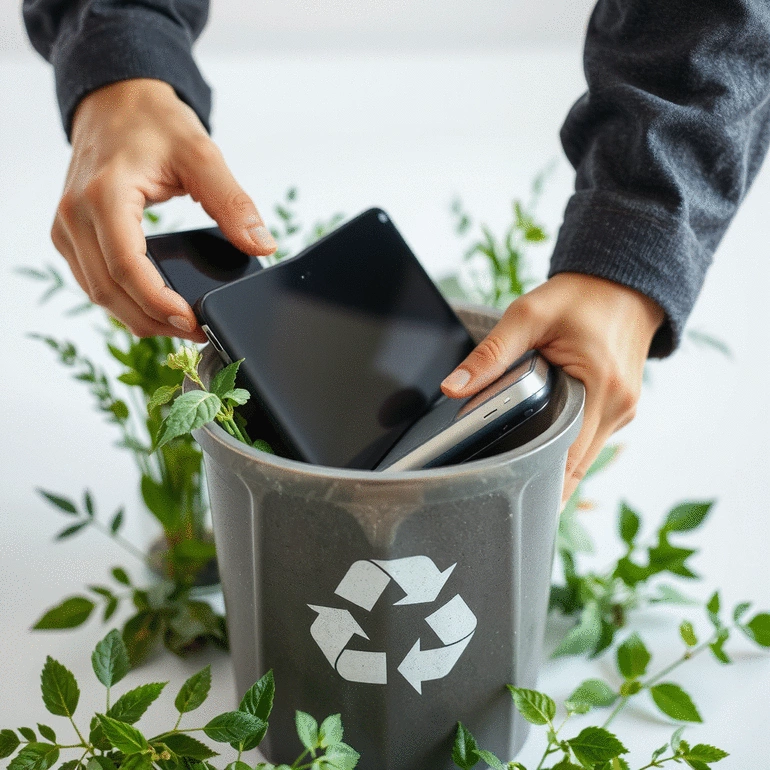
Have you ever thought about the impact of your discarded electronics on the environment? The journey of e-waste is not just about disposal—it's a crucial aspect of sustainability that affects us all. Understanding the importance of responsible electronics recycling can empower you to make informed decisions that benefit both you and the planet.
These statistics highlight the urgency of responsible electronics recycling and the growing challenge of e-waste management.
57.4 million metric tons
17.4%
74 million tons
Every 18 months
Have you ever considered what happens to your old electronics once they leave your hands? It’s easy to overlook the fate of our gadgets, but understanding the impact of e-waste on the environment is crucial. As we live in an age of rapid technology advancement, being aware of our electronic disposal practices can help us protect the planet.
At GreenRubbish Group, we are passionate about educating our community on sustainable practices, especially regarding responsible electronics recycling. Let’s dive into why this topic matters so much and how we can all play a part in making a difference!
Electronics waste, or e-waste, is one of the fastest-growing waste streams globally. With millions of tons generated each year, it’s vital to recognize the serious impacts it has on both our environment and health. Did you know that improper disposal of these devices can lead to leaching toxic materials into the soil and groundwater?
Here are some staggering statistics that highlight the urgency of this issue:
The figures surrounding e-waste are a wake-up call for all of us. As technology evolves, our devices become obsolete faster than ever. The growth of e-waste is alarming, with increasing consumerism leading to a rise in discarded electronics.
To paint a clearer picture, let’s consider these trends:
Improper disposal of electronics can have dire consequences. Not only does it harm our environment, but it can also pose health risks to individuals. For instance, hazardous materials like lead, mercury, and cadmium can leach into the environment and cause pollution. The EPA provides further insights into the global challenge of cleaning up electronic waste.
This is why at GreenRubbish Group, we focus on educating our clients about proper disposal methods and the importance of e-waste recycling. Remember, every small step toward responsible disposal can create significant change!
Legislation plays a crucial role in shaping how e-waste is managed. Understanding these laws is essential for eco-conscious consumers wishing to dispose of their electronics responsibly. The Basel Convention, for example, sets international standards for e-waste management and promotes the safe handling of hazardous materials.
This agreement not only encourages countries to reduce their e-waste but also helps track illegal dumping practices across borders. It's vital for us to stay informed about these regulations, as they guide our actions towards a sustainable future.
The Basel Convention is a global treaty designed to control the movement of hazardous waste. Its implications are far-reaching, ensuring that e-waste is managed sustainably and responsibly. By working together, countries can enforce strict regulations on e-waste disposal and promote recycling practices that protect our environment. For more information on electronics donation and recycling, you can consult resources from the EPA.
For individuals, understanding this convention means recognizing that your choices—like using services from GreenRubbish Group—align with these global goals. We’re here to help you navigate the complex world of e-waste and recycling!
Did you know? Engaging in local electronics recycling events not only helps you dispose of your old gadgets responsibly but also educates your community on the importance of proper e-waste management. Consider organizing a neighborhood collection drive or participating in an existing event to make a collective impact!
When it comes to recycling electronics, many people wonder about the costs involved. While some programs offer free recycling, others may charge fees. Understanding these costs is crucial for making informed decisions about responsible disposal. By knowing when fees might apply, you can better prepare your budget and feel more confident in your choices.
In my experience at GreenRubbish Group, I've seen how certain factors can lead to fees when disposing of e-waste. Here are some common scenarios where fees may apply:
It’s essential to be aware of the potential fees associated with e-waste recycling, as they can vary widely based on location and recycling program. Some programs might not charge upfront fees, but there may be costs hidden in the fine print. Being informed helps you make the best choice for you and the planet.
Here are several common fees you might encounter:
After you’ve decided to recycle your electronics, it’s crucial to ensure that they are processed correctly. Knowing where your electronic waste goes and how it’s handled can provide peace of mind. Just like at GreenRubbish Group, where we prioritize transparency in our processes, you deserve to know what happens to your items.
To verify proper recycling, consider asking the following questions:
Verifying the processing of your recycled electronics is easier than you might think! Many recycling programs are happy to share their practices, and you can find various resources to help you track your recyclables.
Here are some tips for ensuring your electronics are recycled properly:
Recycling centers play a vital role in recovering valuable materials from your electronic waste. They ensure that harmful substances are disposed of safely while extracting reusable materials like metals and plastics. Ultimately, this process reduces the demand for new raw materials, which benefits the environment.
By supporting reputable recycling centers, you become part of a larger movement toward sustainability. Here’s how they contribute:
One of the most rewarding parts of recycling electronics is engaging with your community. Participating in local recycling events not only helps the environment but also fosters a sense of togetherness. Imagine the impact we can make when we all come together to address this important issue!
Here’s why you should consider getting involved:
Community recycling events can be a fantastic way to not only declutter but also to educate others about responsible disposal. When I’ve attended these events, I’ve seen firsthand how they can inspire change. They are often filled with like-minded individuals who are passionate about making a difference!
Consider these benefits of joining these local initiatives:
There are countless success stories that demonstrate the power of community-driven recycling initiatives. For instance, I came across a neighborhood that organized an e-waste recycling day, resulting in hundreds of pounds of electronics being safely recycled! These efforts often encourage others to think creatively about waste reduction.
Here are a few notable case studies to consider:
As we wrap up, it’s essential to remember that every small action counts. Responsible recycling of electronics is not just a personal responsibility; it's a community effort. By being proactive and engaging in local initiatives, we can create a lasting impact on our environment!
In closing, let’s recap some of the responsible recycling practices we discussed:
Finally, I encourage you to share your knowledge with others. Help spread the word about the importance of electronics recycling, and invite your friends and family to participate in local events. Together, we can inspire change, promote sustainability, and minimize the environmental impact of e-waste. With every device recycled, we take a step towards a cleaner, greener future!
Here is a quick recap of the important points discussed in the article: