Listed Waste
Refers to specific materials identified by the EPA. These materials are explicitly categorized as hazardous.

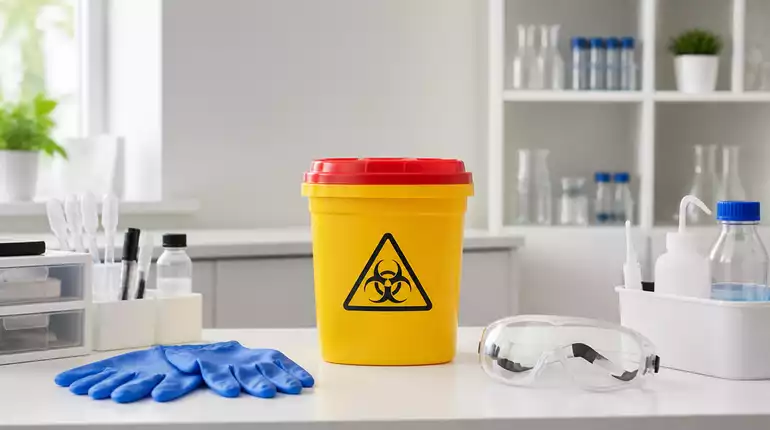
Understanding hazardous waste is not just a regulatory requirement; it's a personal commitment to keeping our communities safe and our planet clean. The choices we make can significantly impact the environment, and being informed is the first step towards responsible waste management.
The classification of hazardous waste plays a crucial role in ensuring proper disposal methods. Below is a visual representation of the different types of hazardous waste, showcasing key characteristics of each category.
Refers to specific materials identified by the EPA. These materials are explicitly categorized as hazardous.
Determined by its properties, such as ignitability, corrosivity, reactivity, and toxicity.
Includes household cleaners, batteries, and electronics, commonly overlooked in disposal.
Generated from businesses and may include paints, automotive fluids, and industrial chemicals.
Comprises biological waste, reagents, and solvents, requiring special handling protocols.
Let's dive into a topic that often gets overlooked: hazardous waste. Understanding what it is and why it's important to manage it responsibly can help us all contribute to a cleaner, safer environment. As someone deeply passionate about sustainable living through my work at GreenRubbish Group, I know that being informed is the first step to making a positive impact.
So, what exactly qualifies as hazardous waste? This type of waste can be dangerous to human health and the environment. It includes any materials that are ignitable, corrosive, reactive, or toxic. For example, old batteries, pesticides, and certain cleaning products fall into this category. By recognizing these items, we can make informed choices about their disposal!
Hazardous waste comes in various forms, and it's essential to understand what qualifies as such. Generally, materials that pose a risk to health or the environment are considered hazardous. The Environmental Protection Agency (EPA) categorizes hazardous waste into two main types: listed waste and characteristic waste.
Listed waste refers to specific materials identified by the EPA, while characteristic waste is determined by its properties, which can include:
When we think about hazardous waste, it’s easy to assume it's only found in industrial settings. However, many common household items qualify as hazardous waste! It’s crucial to recognize these to ensure safe disposal. Examples include:
By knowing what these items are, you can avoid unsafe disposal practices and reduce their risk to your community! For further insights into managing different types of waste, explore our article on sustainable waste disposal for homeowners.
Hazardous waste isn’t one-size-fits-all! The type of waste produced varies significantly depending on the source. Residential waste typically includes common household items, while commercial waste might come from businesses like auto shops or manufacturing facilities. Lab hazardous waste may include chemicals and biological materials used in research or medical testing.
Here’s a quick breakdown of these differences:
Understanding these distinctions helps ensure proper disposal methods are followed for each type!
Identifying hazardous waste is just the beginning! Once materials are classified as hazardous, they must be documented properly. This process typically involves creating a manifest, which is a tracking document that outlines the type and quantity of waste being transported. This is crucial for compliance with regulations and for keeping our environment safe!
The manifest helps track hazardous waste from the point of generation to its final disposal location. It’s essential for businesses to follow these guidelines to ensure safe handling and disposal, which contributes to the mission of GreenRubbish Group. By actively participating in proper waste management, we can all work towards a cleaner, greener future! You can learn more about reducing landfill waste together for a healthier planet.
As we continue our exploration of hazardous waste, here’s a brief recap of the key points covered so far:
When it comes to hazardous waste, many questions arise. After all, it can be confusing to navigate the rules and responsibilities associated with it. I often hear from clients at GreenRubbish Group about the do's and don'ts of hazardous waste disposal, and I want to share some of the most frequently asked questions that can guide your understanding.
This is a common concern. The short answer is no; you should never dispose of hazardous waste in your regular trash. Throwing items like batteries, paints, or chemicals in the trash can have serious environmental repercussions. These materials can leak toxic substances into the soil and waterways, affecting both human health and the ecosystem.
Instead of trashing these items, consider the following options for safe disposal:
Empty containers can also be tricky! Just because a container is empty doesn’t mean it’s safe to toss it in the trash. Many containers that once held hazardous materials still have residue that can be harmful. It’s important to treat them with care.
Here’s how you can properly handle empty hazardous waste containers:
Rinsing is crucial! Always ensure that you are rinsing containers correctly to minimize waste. Here’s a simple process:
Remember, following these steps not only keeps our environment safe but also aligns with the GreenRubbish Group's mission of responsible waste management. By being mindful of these practices, you’re helping to create a cleaner, greener future for everyone! To learn more about eco-friendly practices, consider reading about eco-friendly rubbish removal practices.
Understanding the ins and outs of hazardous waste disposal is vital for both our health and the environment. With all the questions surrounding this topic, it’s clear we have a lot to learn. But don’t worry; with the right information, you can make a difference!
To help you along the way, I recommend creating a personal checklist for hazardous waste disposal. Here’s a simple template to get you started:
Getting involved in local hazardous waste events not only helps you but your community too! It’s a wonderful opportunity to raise awareness about proper disposal practices. By joining such events, you’ll not only learn more about waste management but also inspire others to follow suit.
Community events are essential for educating the public about safe disposal methods. They create a space where residents can gather, share knowledge, and participate in responsible waste management. Here are a few benefits of attending these events:
Your actions matter! At GreenRubbish Group, we believe that together, we can create a sustainable environment. So let’s take these steps to ensure safe disposal and a greener planet for everyone! For more tips on responsible waste management, check out our guide on recycling mistakes to avoid.
Here is a quick recap of the important points discussed in the article: