Home >

Recycling Mistakes to Avoid

Recycling Mistakes to Avoid

Recycling Mistakes to Avoid
Lila Greenfield | 2026-09-06

Did you know that improper recycling can lead to contamination, which ultimately harms the environment? Recycling isn't just about tossing items in a bin; it's about understanding how our actions can contribute to a cleaner planet. Here are some key insights that will help you recycle more effectively and make a positive impact.

What You Will Learn

  • The importance of recycling properly to conserve resources, reduce energy consumption, and decrease pollution.
  • Common recycling mistakes such as wishcycling, contamination, and ignoring local guidelines that can undermine recycling efforts.
  • Best practices for recycling including ensuring recyclables are clean and familiarizing yourself with local recycling rules.
  • How community involvement can enhance recycling efforts through local initiatives, workshops, and friendly competitions.
  • Tips for effectively participating in curbside recycling and drop-off centers, emphasizing the importance of guideline adherence.

Key Benefits of Proper Recycling

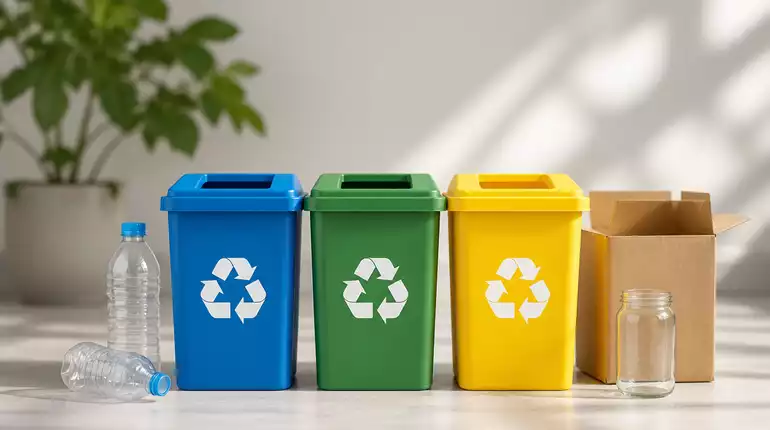
The advantages of recycling correctly contribute significantly to environmental sustainability. Proper recycling is essential for a healthier planet, as it helps to reduce landfill waste and conserve valuable resources. Below are the main benefits illustrated in a visual format.

Conserves Resources

Recycling allows us to reuse materials, reducing the need for new resources and preserving our planet's natural wealth.

Reduces Energy Consumption

Processing recycled materials often requires less energy compared to producing new products from raw materials.

Decreases Pollution

Proper recycling helps lower emissions and harmful substances released into the environment.

Understanding Common Recycling Mistakes and Their Impact

When it comes to recycling, many of us want to do the right thing, but sometimes we miss the mark. Understanding common recycling mistakes is crucial for making a real impact on our environment. At GreenRubbish Group, we believe that effective recycling isn’t just about tossing items into a bin; it’s about understanding how our actions contribute to a cleaner planet!

Improper recycling can lead to serious consequences, including the contamination of recyclable materials. This means that what we thought was helping the environment could actually be harming it. By identifying these mistakes, we can improve our recycling efforts and ensure that fewer items end up in landfills.

Importance of Recycling Properly for the Environment

Recycling plays a vital role in conserving our planet's resources and reducing waste. When we recycle correctly, we help save energy, decrease pollution, and minimize the need for raw materials. This is especially important in a world where natural resources are becoming increasingly scarce. For more detailed guidance, consider these recycling tips for eco-friendly homes.

Let's look at some key benefits of proper recycling:

  • Conserves resources: Recycling allows us to reuse materials, which reduces the demand for new resources.
  • Reduces energy consumption: Processing recycled materials often requires less energy compared to producing new products from raw materials.
  • Decreases pollution: Proper recycling helps lower emissions and harmful substances released into the environment.

At GreenRubbish Group, we often emphasize that even small decisions in our everyday lives can add up to a significant positive impact on the environment. By taking the time to recycle properly, we can help create a healthier planet for future generations!

What Are the Most Common Recycling Mistakes?

Many of us make recycling mistakes without realizing it. Here are some of the most common pitfalls to watch out for:

  • Wishcycling: Trying to recycle items that aren’t accepted in your local program.
  • Contaminating recyclables: Mixing food residue or non-recyclable items with your recycling.
  • Ignoring local guidelines: Not knowing what your local recycling rules are can lead to improper disposal.

Recognizing these mistakes is the first step towards becoming a more responsible recycler! By understanding the common errors we make, we can take proactive steps to correct them and contribute to a more sustainable future. Learning about decoding recycling symbols on packaging can also help.

Pro Tip

Did you know? Properly rinsing out recyclables can significantly reduce contamination rates. A simple rinse can make a world of difference, ensuring that your efforts in recycling truly benefit the environment. Remember, clean recyclables are more likely to be processed correctly!

Taking Action: How to Recycle Right and Make a Difference

As we venture into the world of recycling, it's crucial to understand both the common mistakes we can make and the best practices we should adopt. At GreenRubbish Group, we see first-hand how proper recycling can transform communities and help protect our planet. By emphasizing the importance of recycling right, we can ensure that our efforts lead to meaningful change.

Here’s a quick summary of common recycling mistakes to help you stay on track:

  • Wishcycling: Avoid placing items in the recycling bin just because you think they should be recyclable.
  • Contamination: Make sure your recyclables are clean, dry, and free from food residue.
  • Soft plastics: Know the alternatives for proper disposal instead of tossing them into the recycling bin.
  • Local rules: Familiarize yourself with your area’s specific recycling guidelines.

By keeping these points in mind, we can all take steps toward more effective recycling practices. It’s not just about throwing stuff in a bin; it’s about making informed choices that benefit our environment.

Encouraging Community Involvement in Recycling Efforts

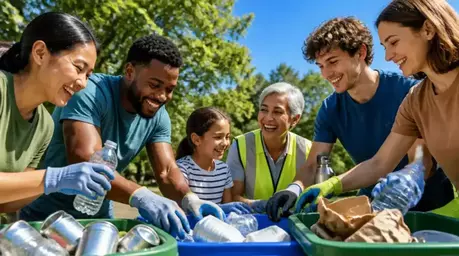
Community participation is vital in enhancing recycling efforts! Just think how empowering it is to come together for a common cause. At GreenRubbish Group, we actively advocate for community initiatives that raise awareness about sustainable practices. Here are some ways you can encourage involvement:

  • Organize local clean-up events to collect recyclables and trash.
  • Host workshops to educate neighbors about proper recycling practices.
  • Start a recycling competition between blocks or neighborhoods to foster friendly rivalry.
  • Create informative flyers or social media posts to share recycling tips and resources.

By engaging your community, you’re not only spreading awareness but also creating a supportive network that inspires everyone to recycle responsibly. Together, we can foster a culture of sustainability! For those looking to manage waste more efficiently, exploring effortless rubbish removal tips can also be beneficial.

How to Effectively Participate in Curbside Recycling and Drop-off Centers

Participating in curbside recycling and using drop-off centers can be simple and rewarding. Many homeowners are unsure about what can go in their curbside bins, which can lead to contamination. Here are some tips to ensure that you’re recycling effectively:

  • Follow the guidelines: Always check what materials are accepted in your curbside recycling program.
  • Prepare materials: Rinse out containers to remove any food residue before placing them in the bin.
  • Know your drop-off center: If you're using a drop-off center, understand its specific rules for accepted materials.
  • Be proactive: If unsure about an item, consult your local recycling facility’s website for clarity.

Understanding these steps can make a significant difference in how much waste is diverted from landfills. By engaging actively in recycling efforts, you contribute to a healthier planet! If you're looking for more ways to make an impact, consider learning about sustainable waste disposal for homeowners.

Frequently Asked Questions (FAQs)

1. What are the main benefits of proper recycling?
Proper recycling helps conserve resources, reduces energy consumption, and decreases pollution by lowering emissions and harmful substances released into the environment.
2. What is "wishcycling" and why is it a problem?
Wishcycling is the act of putting items into the recycling bin simply because you hope they are recyclable, even if you're unsure. This can lead to contamination of entire batches of recyclables, rendering them non-recyclable and sending them to landfills.
3. How does contamination affect recycling efforts?
Contamination occurs when non-recyclable items, food residue, or dirty materials are mixed with clean recyclables. It can make entire loads of otherwise recyclable materials unusable, increasing waste and the cost of processing.
4. Why is it important to know local recycling guidelines?
Recycling rules vary significantly by location. Knowing your local guidelines ensures you only recycle accepted materials, preventing contamination and supporting the efficiency of your community's recycling program.
5. How can communities enhance recycling efforts?
Communities can enhance recycling efforts through initiatives like organizing local clean-up events, hosting educational workshops on proper recycling, starting friendly recycling competitions, and creating informative flyers or social media posts to share tips and resources.

Recap of Key Points

Here is a quick recap of the important points discussed in the article:
  • Proper Recycling is Essential: Recycling correctly conserves resources, reduces energy consumption, and decreases pollution.
  • Avoid Common Mistakes: Be aware of wishcycling, contamination, and the importance of knowing local recycling guidelines.
  • Engage Your Community: Organize clean-up events and workshops to promote sustainable practices and encourage collective efforts.
  • Follow Curbside and Drop-off Guidelines: Always check accepted materials, prepare recyclables properly, and consult local resources for clarity.
  • Make Informed Choices: Small, informed actions can lead to significant positive impacts on the environment.
Subscribe & Share

About GreenRubbish Group

We are dedicated to transforming waste management through sustainable practices that protect our planet. Join us in our mission to educate and empower communities for a greener future.