
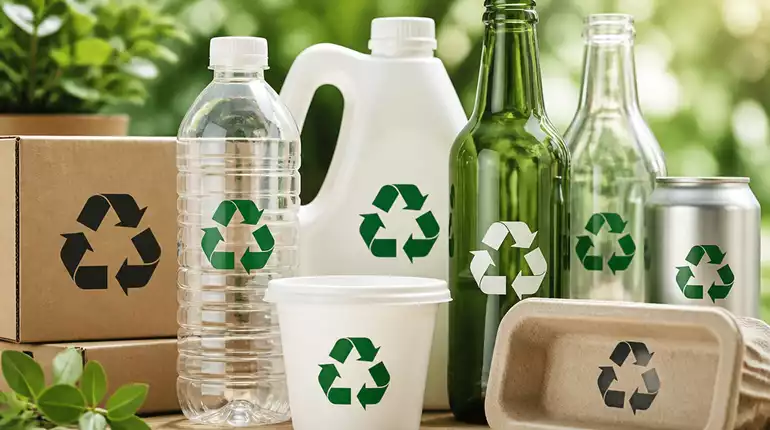
Have you ever examined a plastic package and wondered what the recycling symbols truly signify? Understanding these symbols not only empowers you as a consumer but also enhances your ability to make impactful choices for the environment. This guide will clarify the myths and realities surrounding recycling symbols, helping you contribute to a sustainable future.
Explore key recycling symbols and their meanings that empower consumers to make informed choices in waste management.
Indicates that a product is recyclable and, when accompanied by a number, specifies local recycling options.
Numbers 1-7 identify types of plastics. Each number indicates specific recyclability and material type.
Indicates the manufacturer has contributed to recycling programs, not necessarily that the product is recyclable.
Promotes sustainability through recyclable, biodegradable, or compostable materials, reducing plastic waste.
Have you ever picked up a package and wondered what those little symbols mean? Recycling symbols play a crucial role in helping us make informed decisions as consumers. They guide us in identifying which materials are recyclable, ultimately leading us to make choices that are better for the environment.
At GreenRubbish Group, we believe that understanding these symbols can empower you to take action. By recognizing them, you can contribute to a more sustainable future and reduce the amount of waste that ends up in landfills. It’s all about making responsible choices, and knowing what those symbols signify is a giant leap in the right direction! For more tips on reducing waste, check out our guide on reducing landfill waste together.
Many people think that if a product has a recycling symbol, it must be recyclable. But that's not always true! For instance, one of the biggest myths is that the "Green Dot" signifies that a product is recyclable. In reality, it means the manufacturer has paid for recycling; it doesn’t guarantee that the item will actually be recycled.
Such misconceptions can confuse consumers and lead to misguided recycling efforts. It's essential to educate ourselves on what these symbols genuinely convey. At GreenRubbish Group, we’re here to help clarify these misconceptions, so you can confidently sort and dispose of your waste!
You've probably seen the Mobius Loop—a triangle made of arrows—many times. This symbol indicates that a product is recyclable, but there's more to it! The Mobius Loop, when accompanied by a number, can tell you which materials are accepted by local recycling programs.
Understanding this symbol's significance helps you make better choices when shopping. For example, knowing if your local facility accepts specific plastics can prevent contamination in recycling streams. At GreenRubbish Group, we strive to inform our clients about what can and cannot be recycled to maximize waste diversion! Discover more recycling tips for eco-friendly homes on our blog.
The numbers inside the recycling triangle—from 1 to 7—are crucial for identifying different types of plastics. Each number corresponds to a particular resin, which determines how and if the item can be recycled. Here’s a quick breakdown:
The Green Dot is another symbol that often causes confusion. Many believe it signifies that a product can be recycled, but it actually indicates that the manufacturer contributes to recycling programs. It's a way to promote recycling but doesn't guarantee that the item is recyclable!
Understanding the Green Dot can help you become a more informed consumer. Many products with this mark may not be accepted in your local recycling program, so always check local guidelines. At GreenRubbish Group, we emphasize the importance of knowing the facts, so you can make eco-friendly choices with confidence!
Eco-friendly packaging is a game changer in the fight against waste. These materials are designed to minimize environmental impact and often come from renewable resources. When you choose products with eco-friendly packaging, you're not just making a purchase; you're supporting sustainable practices that benefit our planet.
At GreenRubbish Group, we encourage everyone to look for packaging that is biodegradable, compostable, or made from recycled materials. By choosing eco-friendly options, you can significantly reduce plastic waste and promote a healthier environment for future generations!
Did you know? Always rinse containers before recycling them! Residual food or liquid can contaminate the recycling stream, making it harder to process materials effectively. By ensuring that items are clean, you help enhance the quality of the recyclables and support better recycling outcomes.
Have you ever stared at a recycling symbol on a package and wondered what it really means? You're not alone! It's time to break down the confusion around recycling symbols and tackle some of the most common questions that arise. By understanding these symbols better, we can make informed decisions that align with our commitment to sustainability.
One of the most common inquiries I receive is, “What do the numbers inside the recycling triangle mean?” These numbers indicate the type of plastic material used in the product, which is crucial for determining how it should be recycled. Understanding these details can empower us to make better choices! Here’s a quick overview of what those numbers stand for:
By knowing these numbers, you can easily identify how to recycle your items correctly. It’s a simple step that can lead to a significant impact on our environment! To learn more about proper disposal, check out our article on recycling your electronics the right way.
Here are some frequently asked questions to help further clarify recycling symbols and their importance:
Have you seen percentages next to recycling symbols and wondered what they signify? These numbers indicate the percentage of the product made from recycled materials. This information is vital for consumers who want to support sustainable products! Here’s how to interpret these percentages:
Understanding these percentages helps us choose products that genuinely make a difference. Every time we support recycled content, we contribute to reducing waste and protecting our planet’s resources!
Recycling plays a crucial role in protecting our environment. Have you ever considered how effective recycling can conserve resources and reduce our carbon footprint? Here are some ways recycling contributes to environmental protection:
At GreenRubbish Group, we emphasize the importance of recycling in our mission. By promoting responsible recycling practices, we can collectively minimize our environmental impact and move toward a sustainable future! Learn more about effortless rubbish removal tips to further reduce your environmental footprint.
Before tossing items into the recycling bin, take a moment to verify your local recycling guidelines. Different regions have varying rules, and it’s essential to stay informed for effective waste management! Here are some steps you can take:
Being proactive ensures that we contribute positively to our communities and the environment!
Want to make a difference? Join local recycling programs and initiatives! By engaging with these efforts, you can help spread awareness about the importance of recycling and responsible waste disposal. Here are some ways to get involved:
Let's make a collective impact by staying informed and active in recycling initiatives!
Have you considered how each of us can contribute to a circular economy? This approach emphasizes reusing and recycling materials to keep them in use for as long as possible. Here are some steps you can take to promote a circular economy:
Together, we can work toward a cleaner, greener future! By understanding recycling symbols and engaging in responsible recycling practices, we can all contribute to a more sustainable world. Let's take action and make a difference today! For more detailed advice, read our article on sustainable waste disposal for homeowners.
Here is a quick recap of the important points discussed in the article: