Backyard Piles
Great for those with ample outdoor space, allowing for natural decomposition.

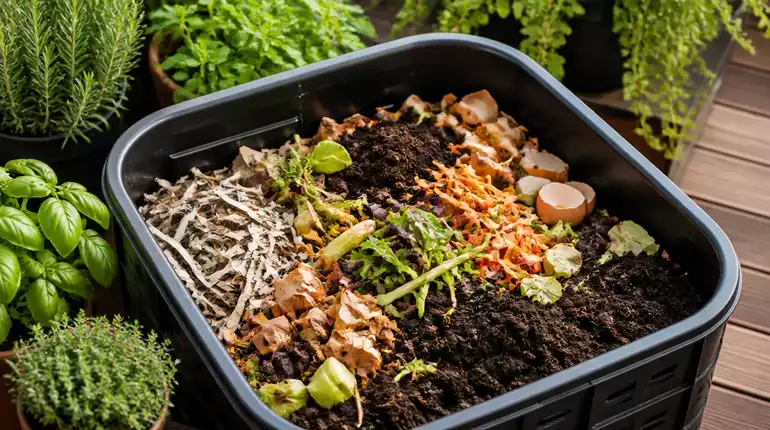
Are you ready to transform your kitchen scraps into nutrient-rich soil? Composting at home is not just a sustainable practice; it's a rewarding journey that benefits both your garden and the planet. Dive into this guide to unlock the secrets of successful composting!
This section showcases the various composting methods available, highlighting their key features for better understanding. For more ways to manage waste sustainably, explore our guide on effortless rubbish removal tips.
Great for those with ample outdoor space, allowing for natural decomposition.
These are organized and can be made from wood, plastic, or metal, keeping your compost contained.
Techniques like Bokashi or worm composting are perfect for those with limited outdoor space.
Composting is the natural process of recycling organic matter, such as food scraps and yard waste, into a rich soil amendment known as compost. This practice not only reduces the amount of waste sent to landfills but also enriches the soil, promotes healthy plant growth, and encourages beneficial microbial activity. At GreenRubbish Group, we believe that understanding composting's environmental benefits is crucial for anyone looking to make a positive impact on our planet.
When you compost, you’re effectively managing waste by giving it a second life. Instead of letting scraps sit in a landfill to decompose slowly and release harmful gases, composting transforms this waste into something valuable! This not only benefits your garden but also contributes to a healthier environment.
Before diving into composting, it’s essential to gather the right materials. Here are some common compostable items you can start collecting:
By keeping these items on hand, you’re setting the stage for a successful composting experience. Remember, the more diverse your materials, the richer your compost will be!
Using organic waste, kitchen scraps, and yard waste is the heart of composting. These materials are not just compostable; they are essential for creating compost that benefits your garden and the earth. Organic waste breaks down into nutrient-rich compost, which feeds plants and helps retain moisture in the soil. To further reduce your environmental footprint, consider reducing landfill waste together through various sustainable practices.
When considering what to compost, think about the various types of organic materials you produce daily. This could include leftover vegetable peels from your meals or any unwanted leaves from your yard. Each small effort to recycle these materials contributes to a larger movement towards sustainable living! At GreenRubbish Group, we encourage everyone to think creatively about their waste and how it can be repurposed.
Finding the right location for your composting bin is crucial for success. Consider factors like sunlight, accessibility, and drainage when choosing a spot. A sunny area helps speed up the composting process by warming up the pile, while accessibility ensures that you can easily add materials and turn the compost.
Additionally, make sure the area has good drainage. You want it to be moist but not soggy! A well-placed compost pile can make the difference between a successful composting experience and a frustrating one.
There are various composting methods to fit your lifestyle and space. Here’s a breakdown of some popular options:
Each method has its own benefits, so choose one that aligns with your needs and resources. No matter which option you select, remember that every effort counts toward creating a more sustainable future!
Here's a brief recap of the key points discussed so far:
Once you've set up your compost pile, it’s time to dive into the art of maintenance! Just like nurturing a garden, your compost requires attention to thrive. An essential part of this process is turning and aerating your compost regularly. By enhancing airflow through your compost, you're speeding up the breakdown of organic materials, leading to rich, finished compost.
I recommend turning your compost every 2 to 4 weeks, depending on how quickly it’s decomposing. Use a pitchfork or shovel to mix the compost, breaking up clumps and ensuring that materials at the bottom are moved to the top. This not only aerates the pile but also helps maintain a balanced mix of browns and greens. For more information on environmental best practices, you can also learn about recycling and waste management.
Turning your compost helps introduce oxygen, which is crucial for the microorganisms that break down organic matter. Here are some techniques to consider:
By regularly aerating your compost, you're encouraging a faster decomposition process, which ultimately leads to a healthier compost pile ready for your garden!
Investing in composting tools can make your journey smoother. Two essential tools I highly recommend are:
Using these tools can simplify your composting process and ensure that your pile remains healthy and productive. Trust me, they'll become part of your composting essentials!
Maintaining the right moisture level in your compost is vital for decomposition. Think of your compost as a sponge: it should be damp but not soggy. Here are some tips to monitor and manage moisture:
By keeping an eye on moisture levels, you’ll support the microorganisms that do the hard work of breaking down your compost. A balanced compost pile means more nutrient-rich soil for your garden!
Composting at home offers several benefits, including reducing household waste sent to landfills, enriching your garden soil with valuable nutrients, promoting healthy plant growth, and encouraging beneficial microbial activity in the soil.
You can compost a wide range of organic materials such as fruit and vegetable scraps, dry leaves, shredded cardboard, coffee grounds and filters, grass clippings, and eggshells. A diverse mix of materials leads to richer compost.
When selecting a location, consider sunlight (a sunny spot can speed up decomposition), accessibility for adding materials and turning, and good drainage to prevent the pile from becoming soggy. The area should be moist but not waterlogged.
Popular methods include backyard piles (for ample outdoor space), composting bins (organized structures made of wood, plastic, or metal), and indoor methods like Bokashi or worm composting (ideal for limited outdoor space).
It's recommended to turn your compost every 2 to 4 weeks. Regular turning introduces oxygen, which is crucial for the microorganisms that break down organic matter, speeding up the decomposition process.
Maintaining the correct moisture level is vital for decomposition. Your compost should feel damp like a wrung-out sponge, not dry or soggy. Proper moisture supports the microorganisms responsible for breaking down the organic materials and creating nutrient-rich soil.
Here is a quick recap of the important points discussed in the article: