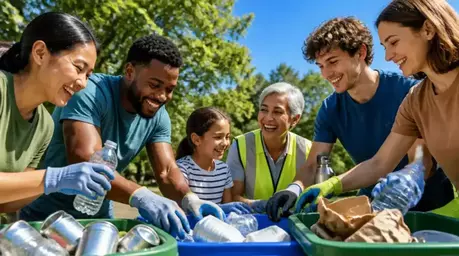
Reduce
Use fewer resources and minimize landfill waste.

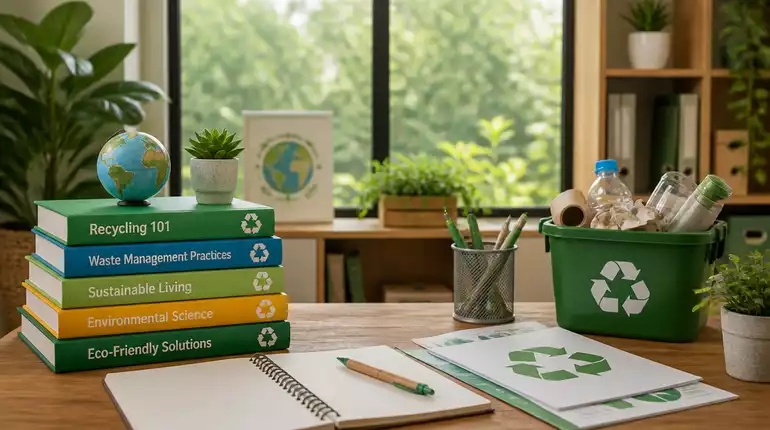
In a world where waste is a growing concern, understanding recycling and waste reduction isn't just beneficial—it's essential. As we face increasing environmental challenges, grasping the principles of sustainability can empower individuals and communities to make impactful changes. Here's how you can play a role in fostering a greener future.
Understanding the fundamental principles of waste management—Reduce, Reuse, Recycle, and Compost—is essential for fostering sustainable habits. These practices are crucial for reducing landfill waste and promoting environmental health.
Use fewer resources and minimize landfill waste.
Find new purposes for items to extend their lifecycle.
Process materials so they can be made into new products.
Transform organic waste into nutrient-rich soil.
In today's world, understanding recycling education and waste reduction principles is more crucial than ever. As a passionate advocate for sustainable living, I often reflect on how we can effectively teach these concepts to students and communities. By grasping the fundamentals of reduce, reuse, recycle, and composting, we can all take meaningful steps toward a more sustainable future.
Let’s break down the key concepts that form the foundation of waste management. The idea of reducing waste means using fewer resources and minimizing what ends up in landfills. Reusing items as many times as possible can greatly extend their life cycle. Then, we have recycling, which involves processing materials so they can be made into new products. Finally, composting transforms organic waste into a nutrient-rich soil amendment, returning valuable resources to the earth.
When it comes to recycling education, it’s essential to make learning engaging for students. Educators can incorporate hands-on activities, storytelling, and group discussions to help reinforce these concepts. Remember, the goal is to inspire students—help them see how their choices can positively impact our planet!
In my experience with GreenRubbish Group, I've noticed that when students engage in practical recycling projects, they become more aware of their waste habits. For example, organizing a recycling drive at school not only teaches kids about recycling but also fosters a sense of community and responsibility, much like recycling partnerships for eco-friendly businesses.
Waste reduction in schools is not just about keeping the environment clean; it also encourages students to think critically about their consumption patterns. By implementing strategies like waste sorting and providing clear recycling bins, schools can lead by example and cultivate eco-conscious habits in their students.
The Recycling and Waste Reduction Act plays a significant role in promoting effective waste management strategies. This legislation encourages communities to adopt sustainable practices while providing frameworks for education and outreach. It's an excellent resource for educators looking to enrich their curriculum with relevant, impactful information.
As we navigate the complexities of waste management, it's vital for schools, students, and communities to stay informed about such policies. Being aware of the guidelines can empower students to advocate for impactful change within their schools and neighborhoods.
Here's a brief recap of the key points discussed so far:
As we delve into the world of recycling education, it's essential to recap the essential materials and strategies that can propel educators and their students towards a more sustainable future. By harnessing the right resources, we can create a learning environment that not only informs but also inspires action. Remember, every small step we take in the classroom can contribute significantly to waste reduction in our communities!
To effectively engage students and educators, consider the following key resources and strategies:
One of the most rewarding aspects of recycling education is witnessing the measurable outcomes of waste reduction efforts. By setting clear goals and tracking progress, educators can demonstrate to students how their actions contribute to a healthier planet. Simple metrics like the amount of waste diverted from landfills or the number of recycling bins filled can serve as powerful motivators!
In addition, educators should encourage students to participate in projects that yield tangible results. Some ideas include:
At GreenRubbish Group, we understand that collaboration is key to driving change. Community involvement not only enhances the learning experience but also fosters a sense of shared responsibility towards the environment. Schools should actively seek partnerships with local organizations and initiatives that prioritize sustainability.
By engaging with community members, students can gain valuable insights and support for their recycling efforts. This can include:
To amplify the impact of educational resources, it's crucial to promote initiatives from established organizations such as the Recycling Partnership and GreenUp. These organizations offer invaluable support, resources, and advocacy for recycling and waste reduction efforts. By integrating their initiatives into your curriculum, educators can align classroom activities with broader environmental goals.
Some ways to promote these initiatives include:
Now that we’ve laid the groundwork for effective recycling education, it’s time to engage the community. This involves not only educators but also students, parents, and local organizations coming together to create a ripple effect of sustainability!
Sharing success stories is a powerful way to inspire others to take action. When educators document and share the outcomes of their recycling projects, it encourages further participation and reinforces the importance of sustainability. Students can present their findings in creative ways, such as:
Feedback plays a crucial role in the ongoing development of recycling programs. By fostering a culture of open communication, educators can share best practices and learn from each other's experiences. This collaborative approach can lead to new ideas and enhancements that benefit everyone involved.
Joining local initiatives is another fantastic way to amplify your impact. Schools should seek out partnerships with non-profits and local businesses focused on sustainability. By working together, we can pool resources and expertise, making our waste reduction efforts even more effective! Learn more about recycling partnerships and local impact to further your community efforts.
Lastly, I encourage schools to connect with the Green Schools National Network. This organization provides educators with resources, support, and networking opportunities to foster sustainability within the school community. By becoming part of a larger movement, schools can not only improve their programs but also inspire others to join the cause! For more tips on managing waste effectively, check out these effortless rubbish removal tips.
Here is a quick recap of the important points discussed in the article: