Minimized Pollution
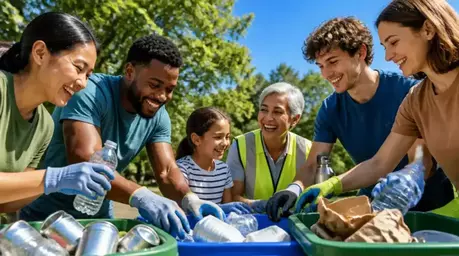
Effective recycling partnerships lead to minimized pollution from toxic materials, contributing to cleaner air and water.

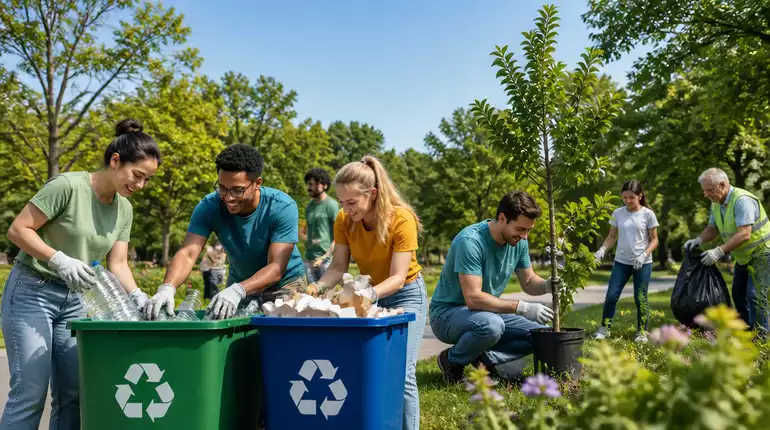
What if the key to a cleaner, greener future lies in the hands of your community? Recycling partnerships are reshaping local environments and promoting sustainability in ways you might not have considered. By collaborating with local businesses, governments, and residents, we can create impactful change that benefits everyone.
Recycling partnerships have a significant impact on local environments and sustainability efforts, as illustrated below:
Effective recycling partnerships lead to minimized pollution from toxic materials, contributing to cleaner air and water.
By recycling, we conserve natural resources that are used in producing new products, thereby reducing resource depletion.
Recycling reduces greenhouse gas emissions associated with waste decomposition, thus mitigating climate change.
Partnerships foster community engagement, encouraging residents to take responsibility for their recycling practices.
Recycling partnerships are at the heart of transforming our local environments into sustainable spaces. They create networks that unite various stakeholders—such as businesses, local governments, and community members—to promote effective recycling practices. By collaborating through these partnerships, we can maximize waste diversion from landfills and foster a culture of sustainability in our neighborhoods. For homeowners looking to contribute, exploring sustainable waste disposal for homeowners can provide valuable insights.
As a member of the GreenRubbish Group, I’ve seen firsthand how these partnerships can lead to impactful change. The essence of a recycling partnership lies in harnessing collective resources and knowledge to achieve a common goal: creating a cleaner, greener future for everyone. It’s not just about recycling; it’s about community engagement and fostering a sense of responsibility towards the environment.
So, what exactly are recycling partnerships? They are collaborative agreements between different entities that share a commitment to improving recycling outcomes. These partnerships often involve local businesses, nonprofit organizations, government agencies, and community groups working together to enhance recycling efforts. This teamwork can lead to better resource management and increased awareness of sustainable practices.
The importance of these partnerships cannot be overstated! By focusing on local environments, we ensure that initiatives are tailored to meet the specific needs of the community, allowing for more effective results. Local partnerships help to build trust and accountability, as stakeholders work together to promote shared values and goals surrounding sustainability. Learn more about how to make rubbish removal effortless.
Recycling partnerships can take many forms, including:
These partnerships are instrumental in creating a circular economy by keeping resources in use for as long as possible. By collaborating with local organizations, we can drive positive change in waste management practices while encouraging residents to take an active role in the recycling process.
Focusing on local environments allows us to address unique community challenges regarding waste management. Each community has different needs, resources, and strengths, which means that local solutions are often the most effective. Additionally, engaging community members fosters a sense of ownership and responsibility for their surroundings.
By prioritizing local environments, we can:
At GreenRubbish Group, we believe that addressing local needs is key to building a sustainable future. By working together, we can create a ripple effect of positive change, encouraging everyone to participate in their community's recycling initiatives.
The impact of recycling partnerships on the environment is substantial and multi-faceted. These collaborations not only help reduce landfill waste but also contribute to a healthier planet. Through our work at GreenRubbish Group, I've witnessed significant benefits from effective recycling partnerships, and I’m excited to share some of these insights!
When we come together as a community to prioritize recycling, the results can be remarkable. Local environments flourish when waste is diverted from landfills, allowing for natural ecosystems to thrive. This is just the beginning of how recycling partnerships can shape a brighter future for us all.
Reducing landfill waste offers numerous benefits to our environment, including:
By establishing recycling partnerships, we can work towards achieving these benefits collaboratively, ensuring our local communities are cleaner and healthier for generations to come. For more on this topic, read about reducing landfill waste together.
One of the most significant advantages of recycling partnerships is the potential for lowering emissions and conserving energy. Recycling materials typically requires less energy compared to producing new products from raw materials. By minimizing energy use, we can help combat climate change and reduce our carbon footprint. Imagine a world where your discarded items are transformed into new products instead of sitting idly in a landfill!
Through collaborative initiatives, we can further promote energy conservation by:
At GreenRubbish Group, we’re committed to making these changes possible through strong recycling partnerships, paving the way for a sustainable future.
To gauge the effectiveness of recycling partnerships, it’s essential to conduct environmental impact assessments. These evaluations help us understand the outcomes of our initiatives and identify areas for improvement. By collecting data on recycling rates, waste diversion, and emissions reductions, we can measure the tangible benefits of our efforts.
Some key elements of assessing environmental impact include:
By continuously assessing our recycling initiatives, we can adapt and innovate, ensuring that our partnerships lead to lasting, positive changes in our local environments.
We want to know about your experiences with recycling in your community! What do you find to be the biggest challenge when it comes to participating in recycling initiatives?
As we dive deeper into the world of recycling partnerships, it's essential to address some common questions that often arise. Understanding what makes these partnerships successful and how communities can implement effective recycling programs can demystify the process for many. In my experience with GreenRubbish Group, the key is always to foster collaboration and ensure that every stakeholder feels invested in the outcome!
When we think about successful recycling partnerships, several factors contribute to their effectiveness. These include:
Here are some frequently asked questions that shed more light on recycling partnerships and their impact:
Building effective recycling programs in communities is a journey that requires thoughtful planning and dedication. I’ve seen firsthand how starting with small initiatives can grow into larger, impactful projects. Here are some actionable steps your community can take:
Each of these steps plays a vital role in creating a robust recycling culture. When communities feel empowered to take action, positive change follows!
As we look ahead, the future of recycling partnerships is bright but also filled with challenges. One significant issue is ensuring that all community members have equitable access to recycling services. This is where adaptability becomes crucial! Strategies that we can consider include:
By addressing these equity challenges, we can ensure that everyone participates in creating a sustainable future.
Innovation plays a critical role in enhancing recycling programs. Exciting advancements in technology and community engagement are continually reshaping how we think about waste management. For instance, I’ve seen communities embrace:
These advancements not only enhance efficiency but also foster collaboration among community members, reinforcing the notion that we’re all in this together! Furthermore, considering recycling options in your area can help you utilize current innovations.
Finally, the concepts of the circular economy and zero waste goals are gaining traction. By reimagining how we use resources, we’re not just reducing waste but also creating a more sustainable future. Some practical approaches include:
Incorporating these ideas can dramatically shift how our communities perceive waste and resource management.
Getting involved in local recycling initiatives can be an exhilarating experience! If you’re eager to participate, there are several resources available for communities and stakeholders to engage effectively. Here’s how you can jump in:
At GreenRubbish Group, I always encourage everyone to take even the smallest step toward sustainability; every action counts! For businesses, exploring recycling partnerships for eco-friendly businesses offers a great way to contribute.
Long-term engagement is essential for the success of any recycling partnership. To achieve this, consider maintaining regular communication with community members and providing updates on program successes. Here are some effective ways to keep the momentum going:
These strategies can foster a sense of ownership and pride in community recycling efforts, ultimately leading to more responsible behaviors.
Engaging with green businesses and non-profit organizations is a game changer! These partnerships can enhance recycling efforts and amplify the message of sustainability. Some effective engagement strategies include:
By leveraging these collaborations, we can create a united front that champions the cause of sustainability in our communities!
Here is a quick recap of the important points discussed in the article: