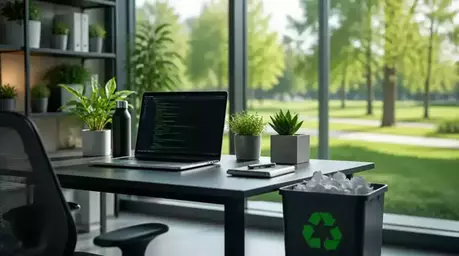
Paper
Newspapers, magazines, and office paper

What if a simple act of recycling could lead to a cleaner planet and a sustainable future? As more communities embrace eco-friendly practices, understanding the nuances of local recycling services becomes essential for every resident. This article will guide you through the vital aspects of recycling, ensuring you contribute effectively to environmental sustainability.
This section outlines the various materials that can be recycled through local programs, showcasing their significance in reducing waste.
Newspapers, magazines, and office paper
Flattened boxes and packaging materials
Bottles, containers, and jugs
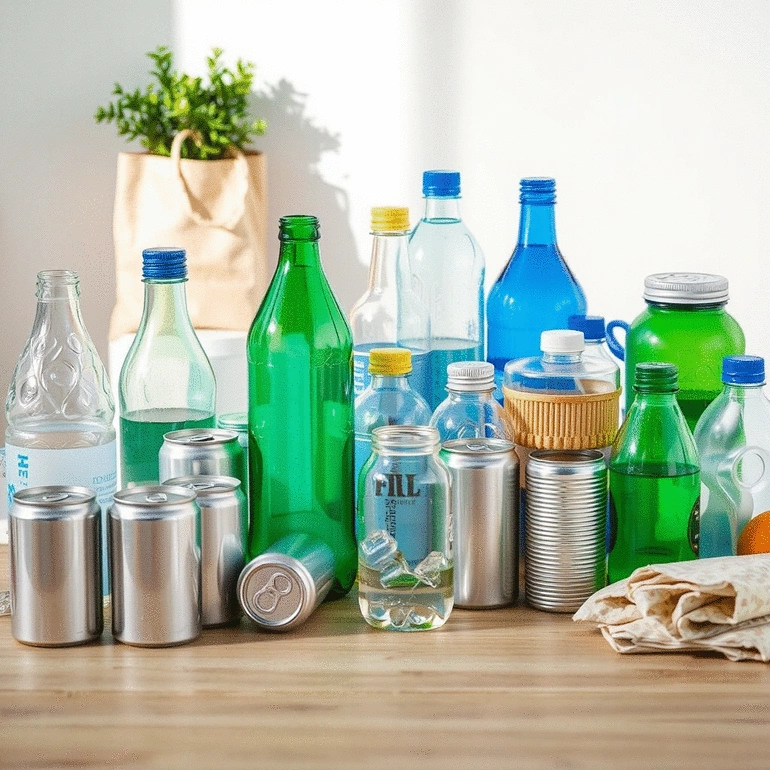
Cans from beverages and food
Bottles and jars
Have you ever thought about what recycling means for your community? Recycling is not just about tossing your old newspapers into a bin; it's a vital part of protecting our environment! By recycling, we help reduce waste in landfills, save energy, and conserve natural resources. At GreenRubbish Group, we believe that understanding local recycling services is the first step toward making a positive impact.
Recycling involves collecting, processing, and reusing materials that would otherwise become waste. It’s essential for local areas as it helps minimize pollution and encourages sustainable practices among residents. By actively engaging in recycling efforts, we can nurture a cleaner, greener community for everyone!
When you recycle, you're participating in a larger movement towards sustainability. Each item recycled not only lessens the amount of rubbish we generate but also supports local economies through job creation in recycling industries. Isn’t it amazing to think that what may seem like a small action can lead to significant environmental benefits? Learn more about reducing landfill waste together.
To navigate the world of recycling effectively, it’s essential to understand some key terms. Here are a few that will help you get started:
Understanding these terms is crucial to ensuring that your recycling efforts are successful. At GreenRubbish Group, we emphasize the importance of proper sorting to reduce contamination. By knowing the right materials to recycle, you can help improve the effectiveness of community recycling programs.
As you begin your recycling journey, the next step is to identify what can be recycled in your area. Each locality has specific guidelines regarding acceptable materials, and knowing these can make a world of difference! Let’s explore the common recyclables accepted by local programs.
Your local recycling program likely accepts a variety of materials. Here’s a quick list of common recyclables:
It's vital to check with your local program for specifics on what they accept. By understanding these materials, you can sort your waste properly and contribute to a more sustainable local community.
When recycling paper and cardboard, make sure they are clean and dry. Items like greasy pizza boxes may not be accepted due to contamination. Always check for the recycling symbol that indicates it's recyclable!
By knowing what to include, you can help make a difference! The less contamination, the more materials that can be successfully recycled. Consider adopting effortless rubbish removal tips to streamline your waste management.
Recycling plastics can be a bit tricky due to the different types. Familiarize yourself with the numbers on the bottom of your containers, as only some plastics are accepted curbside.
For instance, plastics marked with #1 (PET) and #2 (HDPE) are usually accepted, while others might not be. Don’t forget to rinse out containers before recycling them!
Recycling metal, particularly aluminum cans, is a breeze. Just make sure they're empty and clean. Similarly, glass containers like jars and bottles are typically accepted but should be free of lids and caps.
At GreenRubbish Group, we encourage you to be mindful of these details. Every effort counts, and knowing these guidelines helps keep our recycling programs efficient!
Textiles can often be recycled too, but they shouldn't go in your curbside bin. Check for local drop-off points or charity shops that accept clothing donations. It's a great way to give your old clothes a new life!
Household hazardous waste, like batteries and chemicals, should never be thrown in the regular trash or recycling. Always seek out designated disposal programs to handle these items safely.
Did you know? Properly rinsing and drying your recyclables can significantly reduce contamination rates. Items that are clean and free from food residues are more likely to be accepted by recycling facilities, ensuring that more materials are successfully processed and reused. Make it a habit to give your containers a quick rinse before tossing them in the recycling bin!
To truly embrace sustainable practices, we must arm ourselves with knowledge! Understanding local recycling rules can feel overwhelming, but there are interactive tools that simplify the process. For instance, a ZIP code lookup tool can provide personalized recycling information tailored to your area, making it easier to understand what you can recycle and how.
These tools are often user-friendly and can be accessed via your local waste management website. By simply entering your ZIP code, you can discover specific details like collection days, accepted materials, and any special guidelines that apply to your community. This resource offers a great way to stay informed and engaged with recycling practices in your neighborhood!
Visual aids can significantly improve our understanding of recycling. Infographics and tables provide scannable material lists that break down complex recycling rules into digestible information. They often showcase what can be recycled, how to sort materials correctly, and even highlight common mistakes to avoid. To learn more about proper waste disposal, check out these recycling tips for eco-friendly homes.
These resources are not just helpful; they make the recycling process more engaging! By incorporating visual elements, we can make recycling less daunting and more accessible for everyone in our community.
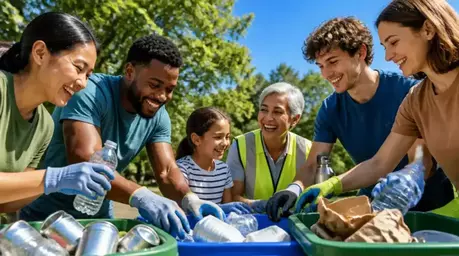
Community involvement is crucial when it comes to recycling! Participating in local programs and awareness campaigns can amplify the message of sustainability and encourage others to take action. Organizations like GreenRubbish Group often hold events that educate and empower residents to engage in eco-friendly practices.
Here are some ways you can actively participate:
These actions not only support your community but also foster a culture of sustainability that benefits us all!
The world of recycling is constantly evolving, and staying updated is key! New regulations, materials, and methods can emerge, making it essential to keep your knowledge fresh. I encourage everyone to regularly check local guidelines and sign up for newsletters or alerts from waste management services.
Staying informed enables you to adapt your practices and share helpful information with others. By doing so, you contribute to a collective effort in reducing waste and promoting responsible recycling in your community! You might also find valuable information on how to recycle your electronics the right way.
Recycling is just one piece of the sustainability puzzle. Embracing waste reduction strategies can significantly minimize our environmental impact! Consider adopting practices that support a circular economy, where waste is minimized, and resources are reused.
Each small change adds up, creating a more sustainable lifestyle that can inspire others to follow suit. Together, we can create a greener future!
Recycling is a vital part of caring for our planet, and every one of us can contribute positively to this effort. By enhancing our recycling knowledge, engaging with community initiatives, and adopting sustainable living strategies, we can make a significant impact on our environment! At GreenRubbish Group, we believe that every action counts, and together, we can pave the way for a cleaner, greener future.
Remember, your efforts matter! Let's continue to educate ourselves and each other about responsible recycling and embrace a lifestyle that nurtures our planet. For a comprehensive guide on sustainable practices, explore effortless rubbish removal tips.
Here is a quick recap of the important points discussed in the article: