Participation Rates
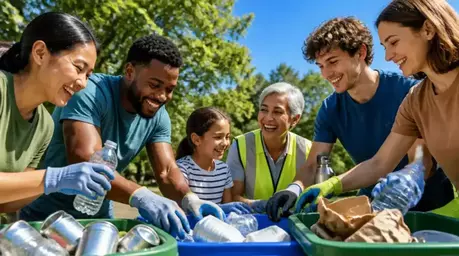
Measure the number of households or businesses participating in recycling programs to assess community engagement.

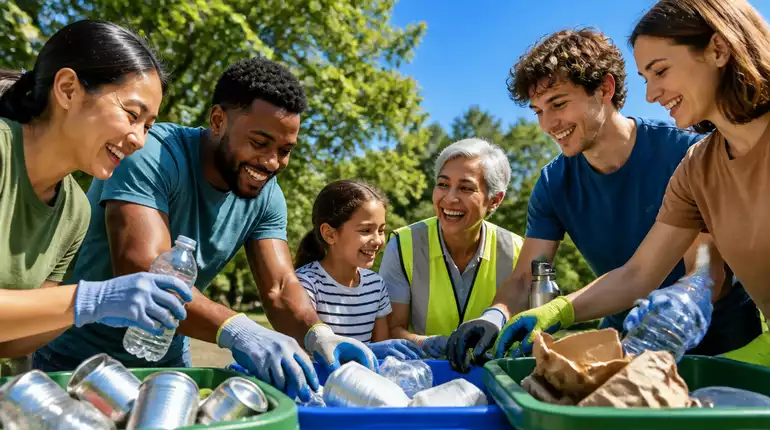
In a world where recycling is more crucial than ever, understanding the unique challenges faced by different communities is essential. Each neighborhood has its own recycling habits, awareness levels, and barriers. Tailoring outreach and communication strategies can significantly enhance community participation in recycling efforts. Join us in exploring effective tactics for promoting sustainability!
Understanding the effectiveness of recycling initiatives is vital for continuous improvement and community engagement. For more insights on how to manage waste effectively, check out our effortless rubbish removal tips.
Measure the number of households or businesses participating in recycling programs to assess community engagement.
Track the amount of non-recyclable materials mixed with recyclables to improve sorting practices.
Quantify the total weight of materials recycled to assess the impact on waste reduction efforts.
In the journey toward a greener future, it’s crucial to recognize the unique challenges our communities face when it comes to recycling. As part of GreenRubbish Group, I find that understanding these local recycling challenges is the first step in effectively promoting eco-friendly practices. We can start by assessing recycling participation rates to pinpoint where improvements can be made. Are residents aware of what can and cannot be recycled? Knowing this helps us tailor our approach to meet their needs.
Every community is different, and so are their recycling habits. To address these differences, we need to assess the current recycling participation rates. For instance, consider asking questions like: What percentage of households actually recycle? Are there specific materials that are frequently discarded instead of recycled? By gathering this data, we can identify gaps in knowledge and resources.
Looking at participation rates can shine a light on areas that need improvement. For example, if only a small fraction of households are recycling, it may be due to a lack of awareness or accessibility. By identifying these issues, we can devise targeted solutions. This data will not only help us at GreenRubbish Group understand community needs but also enhance our outreach strategies.
It’s equally important to understand the demographics of our community and how they influence recycling behaviors. Factors such as age, income, and education all play a role in how people engage with recycling programs. For instance, younger residents might be more active on social media and responsive to digital campaigns, while older generations may prefer traditional communication methods. To learn more about how different demographics approach recycling, explore our article on recycling tips for eco-friendly homes.
Once we understand the local challenges, the next step is to create effective communication strategies to promote recycling. As someone deeply invested in sustainable practices, I believe that clear and engaging messaging can inspire action. We can leverage various tools such as newsletters and social media to spread awareness and encourage community involvement.
Newsletters and flyers are fantastic ways to reach community members directly. When crafting these materials, it’s essential to ensure the information is tailored for different audience segments. For example, families might appreciate tips on recycling at home, while businesses could benefit from information on recycling regulations and incentives.
Designing these materials with the community in mind allows us to connect on a deeper level. For instance, including images of local landmarks or community members can make the content more relatable. Additionally, using clear language will ensure that everyone understands how they can contribute to recycling efforts.
Schools and community centers are excellent distribution points for our materials. They serve as hubs where people gather, making them ideal for spreading our recycling message. By collaborating with these institutions, we can ensure that our eco-friendly initiatives reach a wider audience. Imagine children taking home flyers that not only inform but also inspire their families to adopt recycling habits!
In today’s digital age, social media is a powerful tool for outreach. At GreenRubbish Group, we can utilize various platforms to create engaging content that resonates with our audience. This can include recycling tips, informative videos, and even fun challenges that encourage participation!
To capture attention on social media, we need to create visually appealing and informative content. Short videos demonstrating recycling techniques or infographics showing the impact of recycling can be very effective. Let’s brainstorm ideas that spark interest and inspire action in our community!
Creating a community hashtag can help us foster discussions around recycling. It can serve as a platform for people to share their recycling efforts and successes. Something simple like #GreenRubbishChallenge can encourage community members to post their recycling stories, making it easy for us to engage with them and spread inspiration.
Finally, a well-rounded approach includes mass media campaigns to reach those who may not be as active online. Partnering with local radio stations or newspapers can help amplify our message. With clear calls to action, we can motivate residents to participate in recycling initiatives and contribute to a cleaner planet.
Did you know? Engaging local influencers or community leaders can significantly enhance your recycling outreach efforts. By partnering with respected figures in your community, you can amplify your message and motivate more residents to participate in recycling programs. Their endorsement can add credibility and encourage others to follow suit!
At GreenRubbish Group, understanding the impact of our recycling initiatives is crucial for promoting sustainability in our communities. By measuring success, we can identify what works best and make necessary adjustments to improve our efforts. This not only helps us but also enables our clients to see the value in participating in recycling programs. So, how do we measure this success effectively?
One of the first steps is to establish Key Performance Indicators (KPIs) that reflect our goals. These measurable values help us track progress and gauge the overall effectiveness of our recycling efforts. By focusing on specific metrics, we can create a clearer picture of how our community is doing in terms of recycling and waste management.
To evaluate our recycling initiatives, it's essential to monitor various aspects of participation and waste disposal. Here are some important KPIs to consider:
By focusing on these KPIs, we can gather valuable data that informs our future strategies. For instance, if we notice high contamination rates, it might indicate a need for clearer educational resources. This way, we can adapt our approach to better meet community needs.
One effective method to track participation rates is through regular community surveys. These can reveal how many residents are actively recycling and can help identify barriers to participation. For example, if a significant number of residents feel confused about recycling guidelines, we can address these issues directly through targeted educational campaigns.
Meanwhile, monitoring contamination rates can involve reviewing the recycling collected at local facilities. If we find that certain materials are frequently contaminated, we can launch campaigns to raise awareness about proper sorting and disposal practices.
Evaluating the effectiveness of our recycling campaigns is essential. We can analyze data before and after a campaign to see if there was an increase in participation and a decrease in contamination. For example, after implementing a new community outreach program, we can observe changes in recycling behaviors and adjust future campaigns based on our findings.
Moreover, gathering feedback from community members can provide insights into what resonates with them. Whether through surveys, social media engagement, or community meetings, understanding their perspectives allows us to refine our messaging and strategies.
Collecting recycling statistics is vital for informing our future initiatives. By maintaining comprehensive records of recycled materials, participation rates, and contamination data, we can identify trends over time. This helps us assess what strategies are most effective and where we need to pivot.
Additionally, sharing these statistics with the community fosters transparency and encourages continued participation. When residents see the tangible results of their efforts, it can inspire them to engage even more with recycling initiatives!
For any recycling initiative to be successful, local government involvement and community support are crucial. At GreenRubbish Group, we believe in advocating for policies that promote sustainability and enhance recycling efforts within our communities. To learn more about effective waste reduction strategies, read our article on reducing landfill waste together.
By collaborating with local organizations and environmental nonprofits, we can pool resources and knowledge. This partnership not only strengthens our initiatives but also extends the reach of our message. Let’s explore how we can effectively advocate for these essential changes!
One way to encourage local government support is by advocating for the establishment of recycling ordinances. These policies can mandate recycling in residential areas, making it easier for everyone to participate. Here are some methods to advocate for this:
With a unified community voice, we can demonstrate the importance of recycling ordinances and push for change in our local policies!
Establishing clear recycling ordinances can set the foundation for effective waste management. These ordinances may include:
By supporting these initiatives, we can create a framework that encourages responsible recycling behavior throughout our community.
Partnering with local organizations, such as schools and non-profits, can enhance our recycling programs. These collaborations can help us access resources, share information, and reach a broader audience. Here’s how we can collaborate:
Through these partnerships, we can amplify our impact and inspire more community members to embrace recycling.
One of our key goals at GreenRubbish Group is to ensure that recycling programs are accessible to everyone. Recognizing the diverse needs of our community is essential for fostering inclusivity in our efforts.
To achieve this, we must address the unique requirements of underserved communities. By tailoring our programs and outreach efforts, we can ensure that everyone feels empowered to participate in recycling!
It's vital to engage with underserved communities to understand their specific challenges related to recycling. This can involve:
By actively listening to these communities, we can foster an environment of inclusivity and support.
Many communities consist of residents who speak various languages. To effectively reach these individuals, we can create multilingual resources that explain recycling processes clearly. Additionally, we should consider:
This level of customization helps ensure that every resident feels included in our recycling efforts, regardless of their background!
Community partnerships can significantly enhance our outreach efforts. By engaging with various local stakeholders, we can expand our reach and resources. Here’s how we can work together:
Collaborative efforts not only strengthen our initiatives but also build a sense of community around sustainable practices.
As we wrap up this discussion on enhancing recycling efforts, I invite everyone to actively participate in these initiatives! Whether you are a resident, a business owner, or a community leader, your involvement is crucial for making a sustainable impact.
Let’s come together to create a cleaner, greener future by taking part in workshops, forums, and local events focused on recycling. Every step counts, and each of us can contribute to building a more sustainable community!
Encouraging local participation starts with making it easy and engaging. Here are some ways to motivate residents:
By creating an inviting atmosphere, we can inspire more community members to adopt sustainable recycling habits!
In summary, promoting recycling requires a multi-faceted approach that includes measuring success, advocating for government support, and ensuring accessibility for all community members. Together, we can implement strategies that resonate with our unique communities, fostering a culture of sustainability.
Let’s keep the momentum going! Continuous community involvement is essential for making a lasting impact. Remember, every small action can lead to significant change in our efforts to promote recycling and protect our environment. For additional resources on managing your waste responsibly, check out our article on sustainable waste disposal for homeowners.
So, I encourage you to participate in our upcoming Recycling Education Workshops and share your experiences with others. Together, we can build a brighter, greener future for all!
Here is a quick recap of the important points discussed in the article: