Home >

Donation Sorting for Waste Management

Donation Sorting for Waste Management

Donation Sorting for Waste Management
Lila Greenfield | 2026-05-11

Have you ever considered how your unwanted items could transform into valuable resources for those in need? The donation sorting process is a pivotal step in waste management that not only diverts waste from landfills but also supports communities. Here’s what you can learn about this essential practice.

Key Takeaways

  • Environmental Responsibility: Sorting donations reduces landfill waste and minimizes greenhouse gas emissions, contributing to a healthier planet.
  • Social Impact: Effective donation sorting ensures that useful items reach families in need, providing essential resources while fostering community support.
  • Resource Efficiency: By redistributing items, we extend their lifecycle and reduce the demand for new products, promoting a circular economy.
  • Key Stakeholders: Charitable organizations, sorting facilities, volunteers, and local governments play critical roles in the donation sorting process.
  • Education Matters: Raising awareness and offering clear guidelines can enhance community participation in donation sorting initiatives.
  • Tackling Challenges: Addressing contamination and operational bottlenecks through training and clear signage can optimize sorting effectiveness.
  • Scalability Strategies: Implementing modular systems and technology can help sorting operations adapt to increasing donation volumes.
  • Future of Waste Management: Continued innovation and community engagement are essential for improving donation sorting practices and achieving sustainability goals.

Environmental Impact of Donation Sorting

The sorting of donations plays a critical role in waste management, as seen in the following comparisons:

Reduced Landfill Volume

By donating usable items, we decrease the amount of waste that ends up in landfills.

Lower Carbon Footprint

Each item that is reused or recycled prevents the emissions related to manufacturing new products.

Conservation of Resources

Sorting donations allows for the recovery of valuable materials that can be recycled or reused.

Community Support

Donations help families and individuals in need while promoting local charities.

Understanding the Donation Sorting Process in Waste Management

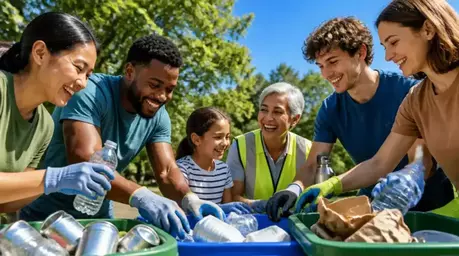
When we think about waste management, we often picture garbage trucks and landfills. But there’s a critical step that many people overlook: the donation sorting process. This process not only helps divert waste from landfills but also gives items a new life and supports those in need. At GreenRubbish Group, we believe that understanding this process is key to promoting sustainable practices within our communities! To learn more about how we can work together to reduce waste, check out our guide on reducing landfill waste together.

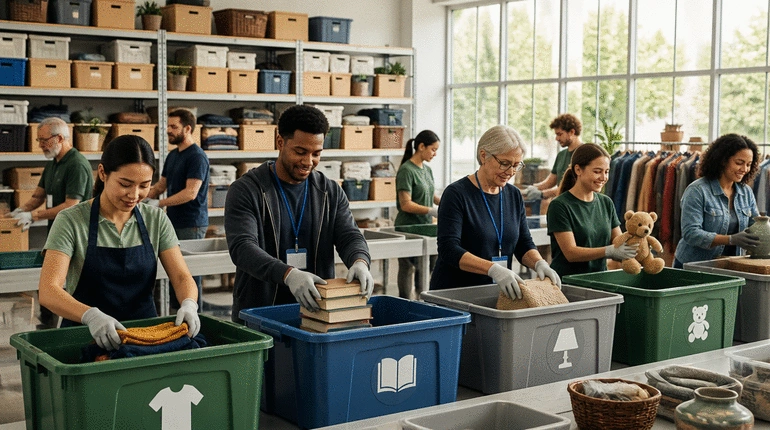
So, what is donation sorting, and why is it so essential? Donation sorting involves evaluating, categorizing, and preparing items for redistribution to charities or recycling facilities. It serves a dual purpose: reducing landfill waste and supporting charitable organizations. When executed effectively, it can significantly impact both the environment and our social fabric.

Defining Donation Sorting and Its Importance in Waste Management

Donation sorting is the systematic approach to organizing donated items before they are sent to their final destination. This process is essential for several reasons:

  • Environmental Responsibility: By sorting donations, we can significantly decrease the amount of waste that ends up in landfills.
  • Social Good: Donated items can help families in need, ensuring that useful products find new homes.
  • Resource Efficiency: Sorting allows for effective recycling of materials, maximizing the use of resources.

At GreenRubbish Group, we emphasize the importance of this process in our mission to promote eco-friendly practices. We believe that a well-organized donation sorting process can bridge the gap between waste and resource recovery!

Key Stakeholders in Donation Sorting: Who's Involved?

Many players are involved in the donation sorting process, each playing a unique role in creating a sustainable waste management system. Here are the key stakeholders:

  • Charitable Organizations: Groups that receive donations and redistribute them to those in need.
  • Sorting Facilities: Locations where items are evaluated and categorized before being sent out.
  • Volunteers: Community members who often help with sorting and managing donations.
  • Local Government: Entities that support and regulate waste management initiatives.

Each stakeholder adds value to the donation sorting process, fostering a collaborative approach to waste management. Together, we can make an impact that resonates throughout our communities and beyond! For more on how local governments support waste management, explore our insights on landfill diversion and community wellbeing.

Frequently Asked Questions About Donation Sorting

Here are some common questions about donation sorting and its role in waste management:

Q: What is donation sorting?
A: Donation sorting is the process of evaluating, categorizing, and preparing donated items for redistribution to charities or recycling facilities, aiming to reduce landfill waste and support those in need.
Q: Why is donation sorting important?
A: It's crucial for environmental responsibility (reducing landfill waste and emissions), social good (providing useful items to families in need), and resource efficiency (extending product lifecycles and encouraging recycling).
Q: Who are the key stakeholders in donation sorting?
A: Key stakeholders include charitable organizations, sorting facilities, volunteers, and local governments, all working together to manage donations and promote sustainability.
Q: How does donation sorting contribute to a circular economy?
A: By giving items a second life, donation sorting reduces the demand for new products, conserves resources, and minimizes waste, thereby promoting a sustainable circular economy.
Q: What are common challenges in donation sorting, and how can they be addressed?
A: Common challenges include contamination and logistical bottlenecks. These can be addressed through regular training, clear signage for donors, and frequent audits to identify and resolve issues.

Environmental Implications of Donation Sorting and Waste Management

Donation sorting is more than just a beneficial process; it's a vital component of a sustainable future. By categorizing and redistributing items, we directly contribute to the concept of a circular economy. This means we’re not just throwing things away; we're giving them a second life! When we sort donations effectively, we reduce waste and maximize the potential for reuse, which is essential for protecting our planet.

As the team at GreenRubbish Group knows, the environmental impacts are significant. By ensuring that usable items find new homes, we minimize the amount of waste sent to landfills. This practice not only conserves resources but also decreases greenhouse gas emissions. So, the next time you think about decluttering, remember that your donations can make a real difference!

How Donation Sorting Contributes to the Circular Economy

The circular economy is all about reducing waste and making the most of our resources. Donation sorting plays a pivotal role in this process. Here are some key points to consider:

  • Resource Efficiency: By sorting and redistributing items, we extend their lifecycle, reducing the demand for new products.
  • Environmental Benefits: Less waste in landfills means fewer emissions and a healthier planet.
  • Community Support: Donations help families and individuals in need while promoting local charities.

Through effective sorting, we can help close the loop on waste. It’s all about taking responsibility for our consumption habits and making conscious choices that benefit everyone! For more information on responsible consumption, refer to our article on effortless rubbish removal tips.

Strategies for Enhancing Waste Diversion Through Sorting Practices

Enhancing waste diversion is key to sustainable waste management. Here are some strategies that can be employed:

  • Education and Awareness: Inform the community about the importance of sorting donations properly. The more they know, the better they can contribute!
  • Clear Guidelines: Provide simple yet effective sorting guidelines for different types of donations.
  • Collaboration: Work with local businesses and charities to create a network that encourages responsible donation practices.

At GreenRubbish Group, we believe that every step counts! By implementing these strategies, we can significantly reduce waste and promote a culture of sustainability.

Environmental Impact of Donation Practices on Landfills

The impact of effective donation practices on landfills cannot be overstated. Here are some environmental benefits we see when donations are sorted and redirected:

  • Reduced Landfill Volume: By donating usable items, we decrease the amount of waste that ends up in landfills.
  • Lower Carbon Footprint: Each item that is reused or recycled prevents the emissions related to manufacturing new products.
  • Conservation of Resources: Sorting donations allows for the recovery of valuable materials that can be recycled or reused.

So, the next time you think about tossing something out, consider whether it could be donated instead! Together, we can create a cleaner, greener future for our communities.

Addressing Challenges and Optimizing Donation Sorting Operations

While donation sorting has many benefits, there are also challenges that come with it. Recognizing these hurdles is the first step toward optimizing operations. Whether it's contamination or logistical bottlenecks, being proactive can make a huge difference.

Troubleshooting Common Sorting Issues: Contamination and Bottlenecks

Contamination is a common issue in sorting operations, and it can undermine recycling efforts. Here are some ways to tackle it:

  • Regular Training: Provide ongoing training for staff and volunteers to ensure everyone understands contamination issues.
  • Clear Signage: Use visual aids to guide donors on what items are acceptable.
  • Frequent Audits: Conduct regular audits to identify and address contamination sources.

At GreenRubbish Group, we’re always looking for ways to improve our sorting process. By being aware of these issues and tackling them head-on, we can enhance our efficiency and support our mission of sustainability. This proactive approach helps us maintain efficient donation sorting for waste management.

Scalability Strategies: From Small Operations to Large-Scale Sorting Facilities

As demand grows, scaling up sorting operations can be a challenge. Here are some strategies to consider:

  • Modular Systems: Implement modular sorting systems that can adapt to different volumes of donations.
  • Technology Integration: Utilize software solutions to manage logistics and streamline operations.
  • Community Involvement: Engage local volunteers to assist during peak donation times.

By thinking creatively about scalability, we can ensure that sorting operations remain effective and responsive to community needs.

Resource Recovery and Waste Reduction Tactics

Finally, resource recovery is essential for reducing waste. Here are some effective tactics:

  • Partnerships: Collaborate with local recycling facilities to maximize resource recovery opportunities.
  • Upcycling Programs: Create initiatives that encourage creative reuse of items.
  • Awareness Campaigns: Promote campaigns that encourage responsible consumption and reduction of waste at the source.

At GreenRubbish Group, our goal is to not only manage waste but also to inspire others to reduce it! By implementing these tactics, we can foster a culture of sustainability in our communities.

Conclusion: The Future of Donation Sorting in Waste Management

As we look ahead, the future of donation sorting in waste management is bright. With continued innovation and community engagement, we can further improve our practices. Let's embrace the changes that come with technology while staying true to our commitment to sustainability!

Key Takeaways and Actionable Insights for Waste Management Professionals

For professionals in waste management, here are some key takeaways:

  • Stay Informed: Keep up with the latest trends in donation sorting and waste management.
  • Engage Communities: Foster relationships with local charities and communities to strengthen donation networks.
  • Optimize Processes: Regularly evaluate and improve sorting processes to enhance efficiency and effectiveness.

By following these insights, we can all play a part in creating a greener future!

Call to Action: Enhancing Donation Sorting Practices for Greater Impact

Finally, I urge everyone to take action! Whether you’re a homeowner, a business owner, or a waste management professional, we each have a role to play in enhancing donation sorting practices. Start small, engage your community, and don’t hesitate to reach out to organizations like GreenRubbish Group for support and resources!

Let’s work together to create a more sustainable world through effective donation sorting!

Recap of Key Points

Here is a quick recap of the important points discussed in the article:

  • Environmental Responsibility: Donation sorting significantly reduces landfill waste and supports a sustainable environment.
  • Social Good: Properly sorted donations help families in need, ensuring that useful items find new homes.
  • Resource Efficiency: Sorting donations enhances recycling efforts, maximizing resource use and extending product lifecycles.
  • Community Collaboration: Engaging local stakeholders, including charities and volunteers, strengthens donation networks and community support.
  • Education and Awareness: Informing the community about effective sorting practices encourages responsible donation behavior.
  • Addressing Challenges: Regular training, clear guidelines, and audits can help mitigate common sorting issues like contamination.
  • Future Focus: Embrace technological advancements and community involvement for improving donation sorting operations and sustainability efforts.
Subscribe & Share

About GreenRubbish Group

We are dedicated to transforming waste management through sustainable practices that protect our planet. Join us in our mission to educate and empower communities for a greener future.