
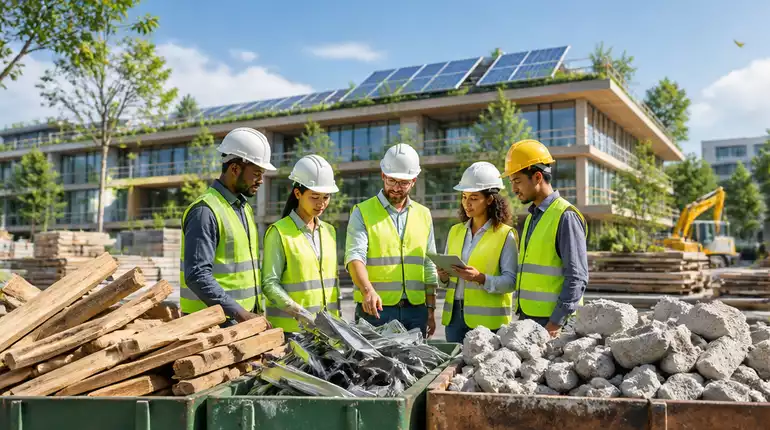
Did you know that the construction industry is one of the largest generators of waste, contributing significantly to environmental degradation? By embracing sustainable practices, developers have the power to transform this trend and positively impact our planet. Here are some key insights you'll gain from understanding sustainable construction waste management.
Understanding the essential components that contribute to effective waste management in construction.
In today's world, the significance of sustainable construction waste management cannot be overstated. As developers, we have a unique opportunity to influence our environment positively. By adopting eco-friendly practices, we can minimize waste and contribute to a greener future, which is something I deeply resonate with at GreenRubbish Group. For more insights on how to achieve this, explore our article on effortless rubbish removal tips.
When we think about construction, we often focus on the buildings and structures that emerge. However, behind every project lies a mountain of waste that can harm our planet if not managed correctly. I'm passionate about educating developers on how to effectively address waste management, ensuring that every step of the construction process aligns with sustainability.
Sustainable construction practices encompass a variety of strategies aimed at reducing the environmental impact of building projects. Developers play a crucial role in integrating these practices into their projects, which can include:
As we work together to implement these strategies, we can create a ripple effect throughout the industry. The more developers embrace sustainability, the more we can inspire others to follow suit, leading to a healthier planet for future generations.
The construction industry has a significant impact on our environment, generating vast amounts of waste that can end up in landfills. It's essential for developers to recognize the urgency of adopting effective waste management practices that prioritize recycling and resource recovery. This not only aids in reducing landfill contributions but also supports the local community. Learn more about reducing landfill waste together.
For instance, when we recycle materials like wood, metal, and concrete, we effectively reduce the demand for new materials and lower greenhouse gas emissions. This is where companies like GreenRubbish Group come into play, offering solutions tailored to help developers navigate the complexities of waste management!
Two well-known frameworks guiding sustainable construction are LEED (Leadership in Energy and Environmental Design) and BREEAM (Building Research Establishment Environmental Assessment Method). Both of these standards provide developers with a framework for creating sustainable buildings while emphasizing the importance of waste management in their assessments.
By incorporating LEED or BREEAM principles into construction projects, developers can ensure that they are meeting high environmental standards. This not only improves the building's sustainability but also enhances its marketability, resonating with eco-conscious buyers!
Achieving green certifications through LEED and BREEAM can yield numerous benefits for developers, including:
These certifications also foster a sense of pride in the project, knowing that we are contributing to a more sustainable future. It's a win-win situation for both developers and the environment!
Both LEED and BREEAM emphasize the importance of waste management in their criteria. Developers are encouraged to minimize waste generation and maximize recycling efforts throughout the construction process. This includes:
By adhering to these guidelines, we can ensure that our projects not only comply with industry standards but also contribute positively to our environment. At GreenRubbish Group, we are dedicated to supporting developers in implementing these sustainable practices seamlessly!
Did you know? Implementing a waste management plan early in the construction process can significantly reduce costs and environmental impact. By setting clear waste diversion goals and actively tracking waste streams from the outset, developers can optimize their recycling efforts and minimize landfill contributions. This proactive approach not only aids in compliance with LEED and BREEAM standards but also enhances the overall sustainability of your project!
In today’s construction landscape, it’s essential to consider how we can incorporate circular economy principles into our supply chains. This not only enhances sustainability but also ensures that materials are used efficiently and responsibly. At GreenRubbish Group, we believe that building partnerships for reclaimed material sourcing can pave the way for a greener future in construction.
When developers collaborate with local suppliers and organizations, they can access materials that would otherwise be wasted. This creates a win-win situation: developers save costs, and communities benefit from reduced waste. Here are some effective strategies for incorporating circular economy principles:
Forming partnerships can significantly boost waste management efforts. By aligning with local charities, such as those supported by GreenRubbish Group, developers can divert usable materials from landfills. Imagine a world where every piece of construction waste finds a new home—this is achievable through collaboration! For further reading on this topic, check out our article on recycling partnerships for eco-friendly businesses.
Moreover, community initiatives play a crucial role in promoting waste reduction. By participating in community clean-ups or educational programs, developers can raise awareness about sustainable practices and inspire others to follow suit. Here are a few ways to engage:
Data analytics is a powerful tool in shaping our understanding of waste management. By leveraging waste data, developers can make informed decisions that align with sustainability goals. At GreenRubbish Group, we see firsthand how insightful data can transform waste management practices.
Implementing robust data tracking helps in identifying trends and opportunities for improvement. It also plays a significant role in enhancing Environmental, Social, and Governance (ESG) compliance within the industry. Here’s how data analytics can help:
ESG compliance is not just a buzzword; it’s becoming a critical aspect of doing business in construction. Developers who prioritize ESG principles can significantly influence their project outcomes and community perception. This strategic approach is essential for fostering a sustainable future.
By integrating ESG compliance into waste management, companies can enhance their reputation and attract eco-conscious clients. Remember, promoting sustainability is not just good for the planet; it's also good for business!
Life Cycle Assessment (LCA) is a vital tool that evaluates the environmental impacts of construction projects throughout their life cycle. This comprehensive approach helps developers understand the significance of waste management from start to finish. At GreenRubbish Group, we encourage developers to embrace this method as part of their sustainability journey.
By applying LCA, projects can minimize their environmental footprint and enhance overall sustainability. Here are some key benefits of implementing LCA:
Understanding the environmental impacts of a project is crucial for responsible construction. With LCA, developers can assess everything from material extraction to end-of-life disposal, ensuring they make the best choices for the environment. This holistic view not only enhances sustainability but also helps in meeting regulatory standards.
To successfully implement LCA in your projects, consider the following steps:
Conducting an Environmental Impact Assessment (EIA) is another essential step for developers committed to sustainability. This process identifies potential environmental effects before a project begins, allowing for better planning and waste management strategies. At GreenRubbish Group, we advocate for the integration of EIA findings into waste management practices. To learn more about environmental strategies, consider reading about landfill diversion and community wellbeing.
Incorporating EIA findings helps developers to:
To conduct a successful EIA, focus on these key components:
Once you have the EIA findings, it’s crucial to incorporate them into your waste management strategies. This ensures that your project remains environmentally friendly and compliant with regulations.
As we wrap up, it’s clear that effective waste management practices are essential for developers committed to sustainability. By embracing circular economy principles, utilizing data analytics, and applying LCA and EIA, we can bridge content gaps and foster a greener future. At GreenRubbish Group, we’re excited about the positive change that comes from sustainable practices!
Let’s inspire one another to adopt these sustainable practices! Every small step we take can lead to a significant change in our environment. Together, we can create a world where waste is minimized, and resources are used wisely. Ready to join us on this journey?
It's time to engage stakeholders in sustainable initiatives and work together for a better tomorrow. Let’s not just talk about sustainability; let’s put it into action! Reach out to local organizations, like GreenRubbish Group, to learn how you can contribute to a greener future in construction.
By actively involving stakeholders, we create a network of support that amplifies our collective impact. Whether it’s through workshops, community events, or collaborative projects, every effort counts.
For those eager to dive deeper into sustainable practices, resources are abundant! From online courses to local workshops, the tools for learning and implementing effective waste management strategies are at your fingertips. Let’s keep the momentum going!
Here is a quick recap of the important points discussed in the article: