What if every piece of waste you throw away has a potential second life? Establishing a recycling plan at home not only simplifies waste management but also empowers you to contribute to a healthier planet. Here’s what you’ll learn about enhancing your recycling efforts and making a positive impact on your community.
Exploring the significant benefits recycling brings to our planet.
Saves 17 trees, conserves 7,000 gallons of water, prevents 4,100 kilowatts of electricity consumption.
Recycling can significantly reduce greenhouse gas emissions.
Often takes less energy to recycle than to produce new products from raw materials.
Recycling industry creates jobs in local communities, boosting the economy.
Have you ever thought about how much waste your household generates? It's astonishing! Establishing a recycling plan at home is like giving your rubbish a second chance at life. With a structured system, not only can we significantly reduce landfill contributions, but we can also play a vital role in conserving our planet's resources. For more tips on managing household waste, check out our guide on effortless rubbish removal.
At GreenRubbish Group, we believe that every little effort counts! By creating an efficient home recycling system, you’re not just keeping your space tidy; you’re actively participating in the fight against climate change. It helps you find a sense of purpose and connection to your community as well—it’s empowering!
Establishing a home recycling system is essential for several reasons. First, it simplifies the recycling process, making it more likely that you will actually recycle items rather than throw them away! Second, it educates your family about sustainable practices and the importance of waste management.
Here are some key benefits of creating a recycling system:
Understanding local recycling guidelines is crucial when setting up your home recycling plan. Each municipality can have different rules about what can and cannot be recycled. This means you need to be informed to avoid contaminating your recycling bin!
To make things easier, here are some points to consider:
The environmental benefits of recycling are immense! For instance, recycling one ton of paper can save 17 trees, conserve 7,000 gallons of water, and prevent 4,100 kilowatts of electricity from being consumed. Isn’t that incredible? When we recycle, we're not just cleaning up our homes; we're helping to create a healthier planet.
To further illustrate the impact, consider these statistics:
As you embark on your recycling journey, remember that each step you take contributes to a bigger mission—creating a cleaner, greener future for everyone. Together, we can make a difference! Let’s continue to explore how to make our recycling systems even more effective in the next sections!
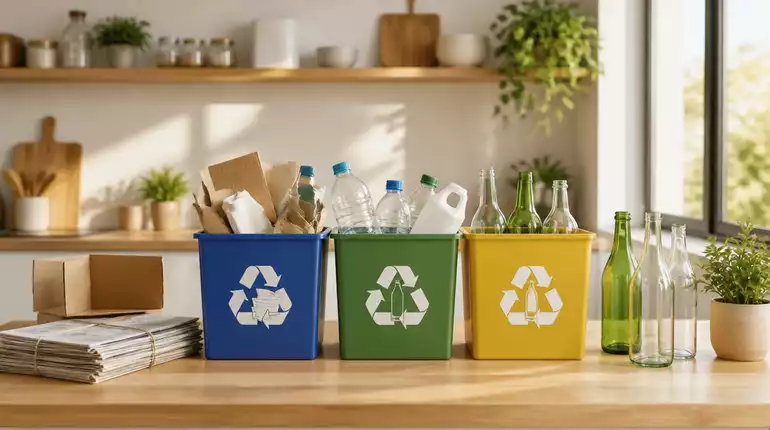
Did you know? One of the easiest ways to enhance your recycling efforts at home is by creating a designated recycling station. Use clearly labeled bins for plastics, paper, metals, and compost. This not only simplifies the sorting process but also encourages everyone in the household to participate actively in recycling!
Staying committed to your home recycling journey can feel like a challenge, but it's crucial for creating a sustainable future. Just like the GreenRubbish Group's mission to revolutionize waste management, your efforts at home can make a significant impact. By engaging with your community and fostering a sense of shared responsibility, you can turn this commitment into a lifelong habit! For further insights into sustainable waste practices, explore sustainable waste disposal for homeowners.
Building a long-term recycling habit doesn't happen overnight, but it can flourish with the right support and motivation. Have you ever thought about how local events can encourage you to stay dedicated? By participating in community engagement initiatives, you can find inspiration and resources that keep your recycling practices fresh and effective.
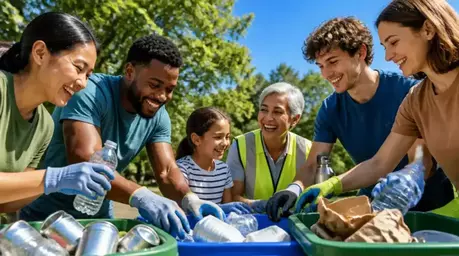
Encouraging neighborhood initiatives and local clean-up events can be a fun and effective way to foster commitment to recycling! Imagine gathering your neighbors for a weekend clean-up—everyone working together not only beautifies your area but also reinforces the importance of responsible waste disposal. It's a win-win situation!
These events are also a great opportunity to share your recycling journey with others. You can use these gatherings to:
Finding support from environmental organizations can provide you with valuable resources and knowledge that enhance your recycling efforts. Many organizations offer guidance, tools, and even grants for community projects focusing on sustainability. By connecting with these groups, you can elevate your personal recycling journey!
Consider reaching out to local nonprofits or eco-friendly businesses—like the GreenRubbish Group! Here are a few ways to connect:
As we wrap up, let’s recap the key steps to establish a successful recycling system that can transform your household. From understanding local guidelines to engaging your community, each step contributes to your overall commitment to sustainability. Remember, it’s not just about recycling; it's about creating a lifestyle that supports the environment!
Ready to take action? Start your recycling journey today by exploring local resources and initiatives that can guide you along the way. Together, we can create a cleaner, greener future for our communities.
Lastly, let’s embrace the idea of a circular economy. This concept emphasizes minimizing waste and making the most of our resources. By understanding how recycling fits into this broader framework, we can appreciate the positive impact our efforts have on the planet. So, let's keep the momentum going and work toward a sustainable future together! Discover how reducing landfill waste together contributes to a circular economy.
Here is a quick recap of the important points discussed in the article: