Home >

Repurpose Everyday Items Creatively

Repurpose Everyday Items Creatively

Repurpose Everyday Items Creatively
Lila Greenfield | 2026-06-11

Did you know that by repurposing everyday items, you can not only declutter your space but also contribute significantly to environmental sustainability? Repurposing sparks creativity and innovation, transforming waste into valuable resources. Let’s dive into the key lessons you can take away from this enlightening exploration of creative reuse!

What You Will Learn

  • Repurposing everyday items helps reduce waste, contributing to a cleaner environment.
  • You can save money by creatively using items you already own instead of purchasing new ones.
  • Repurposed items add a unique, personalized touch to your home, reflecting your individual style.
  • Engaging in repurposing projects can inspire and motivate others to think creatively about waste management.
  • Every item repurposed minimizes the need for new materials, conserving resources and lowering your carbon footprint.
  • Repurposing supports local economies by encouraging the use of local resources and small businesses.
  • Sharing your repurposing ideas fosters community engagement and promotes education about sustainability.
  • Organizing repurposing projects by difficulty level helps cater to varying skill sets, making it more accessible for everyone.
  • Creating downloadable resources like guides and checklists can empower others to join the sustainable movement.
  • Every small step in repurposing can lead to significant positive changes for individuals and the planet as a whole.

Benefits of Creative Reuse and Sustainability

The following highlights the key benefits of creative reuse for both homes and the environment, along with an overview of project difficulty levels. For more tips on managing household waste, check out our guide on effortless rubbish removal tips.

Key Benefits of Repurposing

  • Reduction of Waste
  • Cost Savings
  • Personalization
  • Community Engagement

Project Difficulty Levels

  • Easy: Minimal tools, quick projects.
  • Medium: Basic tools required, more planning.
  • Advanced: Challenging projects for experienced DIYers.

Indoor vs Outdoor Activities

  • Indoor: Upcycling clothes, framed photos.
  • Outdoor: Building birdhouses, vertical gardens.

Repurposing Supports Sustainability

  • Minimizing Resource Extraction
  • Lowering Carbon Footprint
  • Encouraging Local Economies
  • Promoting Education

Understanding the Value of Repurposing Everyday Items

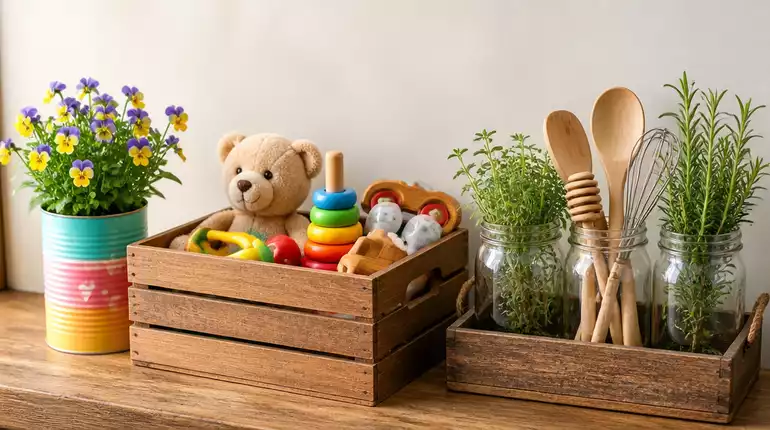
Have you ever thought about what happens to the items you no longer need? Instead of tossing them in the bin, why not consider repurposing these everyday objects? Repurposing not only helps reduce waste but also sparks creativity and innovation in our homes. Imagine turning your old jars into stylish storage solutions or transforming worn-out furniture into unique pieces that tell a story!

At GreenRubbish Group, we believe in the power of repurposing, as it aligns perfectly with our mission of promoting sustainability. By embracing creative reuse, we can all contribute to a cleaner environment while saving money. It’s a win-win situation! Let’s explore the benefits of this practice for both our homes and the planet.

Benefits of Creative Reuse for Home and Environment

Creative reuse brings a host of benefits that can transform our living spaces and enhance our connection to the environment. Here are some key advantages:

  • Reduction of Waste: Each item repurposed means one less piece of rubbish in the landfill!
  • Cost Savings: Instead of buying new storage solutions or décor, using what you already have can save you money.
  • Personalization: Repurposed items can add a unique touch to your home, reflecting your personality and style.
  • Community Engagement: Sharing your repurposing projects can inspire others to think creatively about their waste.

By choosing to repurpose, you’re not just decluttering your space; you're also playing a vital role in protecting our planet. It's about making conscious choices that align with environmental stewardship. For more ways to reduce your environmental impact, learn about reducing landfill waste together.

How Repurposing Supports Sustainable Living

Repurposing is a crucial component of sustainable living. It encourages a mindset shift from a disposable culture to one that values resources and creativity. Here’s how it supports sustainability:

  • Minimizing Resource Extraction: Every item we repurpose reduces the need for new materials, helping conserve our planet’s resources.
  • Lowering Carbon Footprint: Fewer items sent to landfills mean fewer emissions from waste disposal and transportation!
  • Encouraging Local Economies: By repurposing, we often rely on local resources, supporting small businesses and community initiatives.
  • Promoting Education: Sharing repurposing ideas can educate others about the importance of sustainability and responsible consumption.

As an advocate for sustainable practices, I love to see how individuals can make a positive impact through simple actions. By incorporating repurposing into our daily lives, we can collectively create a healthier planet. Let’s get inspired and dive into some innovative ways to transform everyday items into functional and beautiful solutions!

Pro Tip

When embarking on your repurposing journey, consider starting with a "repurposing kit." Gather tools and materials that you frequently use, such as glue, paint, scissors, and basic hardware. Having these essentials on hand can streamline your projects, making it easier to transform ideas into reality!

Incorporating Practical Filters for Easy Navigation

When it comes to repurposing, having the right organization is key! That’s why implementing practical filters can make your creative journey much smoother. By categorizing projects based on their complexity or type, you can find the perfect DIY adventure for your skill level and interest.

Imagine diving into a fun project, only to discover it’s too complicated or doesn’t fit your space. With practical filters, you can easily navigate through a variety of creative reuse options tailored just for you! This not only saves time but also sparks joy in your eco-friendly endeavors.

Filtering Ideas by Difficulty and Project Type

Let’s break down how to effectively filter your repurposing projects. Categorizing by difficulty is especially useful for ensuring that everyone, from beginners to seasoned DIYers, can find something they love. Here are some ideas to consider:

  • Easy: Simple projects that require minimal tools and materials, perfect for a quick afternoon of fun! Examples include creating wall art from old magazines or transforming glass jars into candle holders.
  • Medium: These projects may involve a bit more planning and some basic tools. Think about making a garden trellis from old wooden pallets or designing a storage solution from plastic bins.
  • Advanced: For those feeling adventurous, advanced projects can challenge your skills! How about refurbishing an old dresser into a chic sideboard or crafting a coffee table from reclaimed wood?

Easy, Medium, and Advanced Repurposing Projects

To help you further, let’s look at some specific project ideas categorized by their difficulty levels:

  • Easy: Decorative coasters from corks, painted tin can planters, and picture frames made from cardboard.
  • Medium: Bookshelf made from crates, pallet furniture, and fabric-covered storage boxes.
  • Advanced: Custom-built outdoor furniture, intricate wall art installations, and extensive garden designs using repurposed materials.

Indoor Versus Outdoor Repurposing Activities

Another great way to filter projects is by their location—indoor or outdoor! This allows you to tailor your repurposing efforts based on your available space and the season. Consider these recycling tips for eco-friendly homes to get started.

  • Indoor Activities: Upcycling old clothing into cushion covers, creating a wall of framed photos, or repurposing jars for kitchen storage.
  • Outdoor Activities: Building a birdhouse from scrap wood, designing a vertical garden with plastic bottles, or making a compost bin from pallets.

Encouraging Sustainable Practices and Community Sharing

At GreenRubbish Group, we believe in the power of community and sharing knowledge! To further encourage sustainable practices, creating a downloadable repurposing guide can be a fantastic resource for everyone. This guide could offer clear instructions, helpful tips, and inspiring ideas that invite others to join in on the journey toward sustainability.

Imagine having a handy tool right at your fingertips, filled with project ideas tailored to the unique challenges of repurposing common household items! Not only does this encourage creativity, but it also fosters a sense of community as we all work together for a greener future.

Creating a Downloadable Repurposing Guide

To make this idea a reality, consider compiling a list of valuable resources for your guide. Here are some features to include:

  • Printable Checklists: Easy-to-follow checklists for common household items you can repurpose.
  • Step-by-Step Instructions: Clear and concise directions for a variety of projects, tailored to different skill levels.
  • Before-and-After Photos: Visual inspiration to motivate others by showing the potential of repurposed items!

Reflecting on the Benefits of Reuse and Creativity

As we wrap up this exploration of repurposing, it's important to reflect on the huge benefits it brings to both individuals and our planet! Engaging in creative repurposing not only aids in reducing waste but also encourages you to think outside the box and find new uses for everyday items.

By taking a moment to appreciate the impact of our choices, we can inspire others to join in and share their own creative ideas. Every small step counts, and together, we're making a positive difference!

Summarizing the Impact of Creative Repurposing

To summarize, creative repurposing fosters a sustainable lifestyle and ignites innovation. Whether it’s through clever storage hacks or unique décor projects, the opportunities are endless! I hope you feel inspired to delve into repurposing and discover the hidden potential in your items.

By sharing these experiences, we can create a ripple effect, encouraging others to join the movement toward sustainability. It’s not just about reusing materials; it’s about cultivating a mindset of creativity and responsibility.

Encouraging Readers to Share Their Repurposing Ideas

I would love to hear your stories! Have you recently turned an old item into something new and beautiful? Sharing your successes can motivate and inspire others in our community! Don’t hesitate to reach out and tell us your stories. For more insights on how individuals can contribute, read about sustainable waste disposal for homeowners.

Highlighting Successful Upcycling Stories

To foster this sense of community, we could even highlight some amazing upcycling stories from our readers. Imagine showcasing unique projects on our blog, celebrating the creativity that exists within our community. Each story can serve as a reminder that together we can truly make a difference in promoting sustainability!

Frequently Asked Questions About Repurposing

Here are some common questions about creative reuse and sustainability:

Q: What is repurposing?
A: Repurposing is the act of taking an item that would typically be considered waste and transforming it into something new and useful, often with a different function than its original purpose.
Q: What are the main benefits of repurposing?
A: Repurposing offers several benefits, including reducing waste, saving money, adding a unique personalized touch to your home, fostering community engagement, minimizing resource extraction, lowering your carbon footprint, and promoting education about sustainable living.
Q: How does repurposing contribute to sustainability?
A: Repurposing contributes to sustainability by reducing the amount of waste sent to landfills, decreasing the demand for new raw materials, conserving natural resources, and lowering greenhouse gas emissions associated with manufacturing and waste disposal.
Q: Can anyone repurpose items, regardless of skill level?
A: Yes! Repurposing projects can be categorized by difficulty (easy, medium, advanced) to suit all skill levels. There are many simple projects for beginners, while more experienced DIYers can tackle complex transformations.
Q: Where can I find ideas for repurposing projects?
A: Ideas can come from various sources, including online blogs, DIY websites, social media platforms, community workshops, and even downloadable guides. Looking at items around your home with a creative eye can also spark inspiration.

Recap of Key Points

Here is a quick recap of the important points discussed in the article:
  • Reduction of Waste: Every item repurposed means less waste in landfills, contributing to a cleaner environment.
  • Cost Savings: Utilizing existing items for storage or décor can save money compared to buying new products.
  • Personalization: Repurposed items reflect individual style and creativity, adding a unique touch to homes.
  • Community Engagement: Sharing repurposing projects can inspire others and foster a sense of community around sustainability.
  • Support for Local Economies: Repurposing often relies on local resources, which helps support small businesses.
  • Practical Filters: Organizing projects by difficulty and type enhances navigation and encourages participation across skill levels.
  • Creating Resources: Developing downloadable guides can serve as valuable tools to encourage repurposing and sustainability.
Subscribe & Share

About GreenRubbish Group

We are dedicated to transforming waste management through sustainable practices that protect our planet. Join us in our mission to educate and empower communities for a greener future.