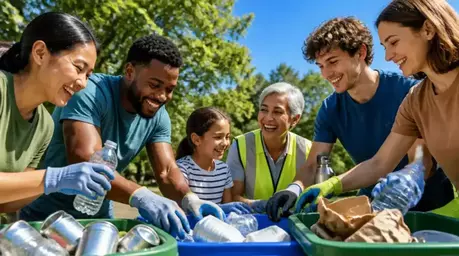
Mechanisms of Landfill Diversion
- Diverting materials from landfills by processing them into new products
- Promoting community awareness about responsible waste disposal
- Encouraging manufacturers to use recycled materials in production

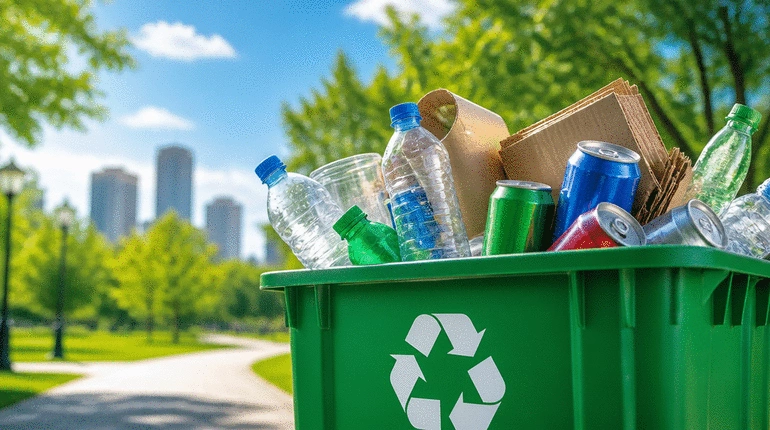
Recycling is not just a responsibility; it's a powerful tool for environmental conservation. Each small action we take can lead to significant changes in reducing landfill waste and protecting our planet. By learning the intricacies of recycling and its impact, we can all contribute to a sustainable future.
Recycling plays a crucial role in reducing landfill waste through material diversion and community engagement. Below is a summary of the mechanisms and specific material benefits associated with recycling.
Have you ever wondered how recycling plays a part in keeping our planet clean? It’s fascinating to think about how simple acts of recycling can significantly reduce landfill waste. At GreenRubbish Group, we see firsthand the positive impact of responsible waste management practices every day, and I’m excited to share why recycling is essential for our environment! You can learn more about reducing landfill waste together.
At its core, recycling is the process of turning used materials into new products. This can include everything from paper and plastic to metals and glass. The act of recycling not only keeps waste out of landfills but also conserves precious resources and energy. So, next time you toss that empty bottle into a recycling bin, know that you’re making a difference!
It's important to remember that recycling involves several steps, including collecting, processing, and manufacturing. Each step plays a crucial role in ensuring that materials are repurposed effectively. This process helps to create a closed loop where resources are reused rather than wasted.
When we talk about landfill waste, we’re referring to the materials that end up in landfills, where they decompose and can release harmful gases into the environment. This not only contributes to pollution but also takes up valuable space that could be used for other purposes. Can you imagine what our world would look like if we could significantly reduce landfill waste?
Landfills also pose risks to local ecosystems and wildlife. Many materials, like plastics, can take hundreds of years to break down, leading to lasting environmental impacts. By recycling more, we can divert waste from landfills and help protect our planet’s health! For more information on effective waste management, explore landfill diversion and community wellbeing.
Recycling helps reduce landfill waste through various mechanisms, such as:
At GreenRubbish Group, we strive to educate our clients on the importance of these mechanisms and how they can contribute to landfill diversion. It’s a small shift in mindset that can lead to significant environmental benefits!
Different materials have specific benefits when recycled. For instance:
These material-specific benefits illustrate how recycling can significantly contribute to reducing landfill waste while promoting environmental sustainability. Together, we can create a greener future, one recyclable item at a time!
Here’s a brief recap of the key points discussed so far:
Recycling can sometimes feel overwhelming, but it doesn’t have to be! At GreenRubbish Group, we believe that everyone can play a part in making a difference. Simple steps at home can significantly improve recycling rates and contribute to a cleaner environment. Let’s dive into some practical takeaways that can help all of us on our recycling journey!
When it comes to effective recycling, starting at home is key. Here are some straightforward guidelines to follow for better recycling practices:
By following these steps, you can contribute to a more effective recycling program right from your home! It’s all about small changes that create big impacts. For more household tips, check out our guide on recycling tips for eco-friendly homes.
For businesses, enhancing recycling efforts can lead to not only environmental benefits but also economic advantages. At GreenRubbish Group, we understand that creating a corporate recycling program is essential. Here are some strategies to consider:
Implementing these strategies not only improves recycling rates but also strengthens the company’s commitment to sustainability. Remember, every effort counts!
Yes! Recycling plays a crucial role in reducing the amount of waste that ends up in landfills. By recycling materials, we can significantly decrease the volume of waste, which in turn minimizes the harmful environmental impacts associated with landfills.
Some materials have a larger impact on landfill reduction than others. Here are a few key items to focus on:
Contamination can seriously hinder recycling efforts. When non-recyclable materials are mixed in, it can cause entire batches of recyclables to be sent to landfills instead. This highlights the importance of following proper recycling practices!
Building a culture of recycling takes time and effort, but it’s worth it! It starts with community involvement and education. At GreenRubbish Group, we strive to inspire and motivate our community to participate actively in recycling initiatives.
Getting the community involved can enhance the impact of recycling programs. Here are some ideas:
Education is key to changing behaviors. By promoting the benefits of recycling, we can encourage more people to take action. Share success stories, statistics, and tips through local media and social platforms!
Creating effective public awareness campaigns involves:
E-waste recycling can be challenging due to its complexity and hazardous materials. It’s critical to ensure that e-waste is handled correctly to prevent environmental contamination. Partnering with specialized e-waste recyclers can help mitigate these challenges. For guidance on proper e-waste disposal, read about how to recycle your electronics the right way.
Every action you take, whether at home or in your business, contributes to a larger movement toward sustainability. By implementing effective recycling strategies, we can all work together to create a cleaner, greener future! Let's keep the momentum going. Together, we can make a big difference! For more tips on sustainable waste management, explore effortless rubbish removal tips.
Here is a quick recap of the important points discussed in the article: